Estate planning
Estate Furniture Appraisal: What to Check First
Before a cleanout, move, or sale, preserve the clues that tell you whether a piece is simply useful, personally important, or worth a closer review.
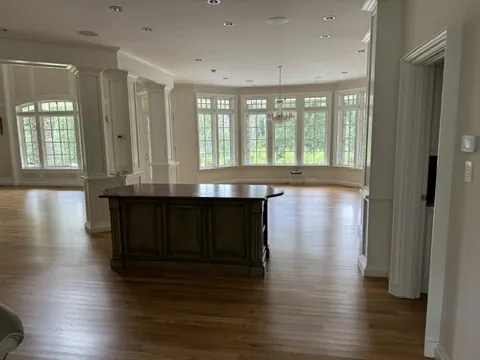
Estate furniture can be difficult to judge because it takes up space, carries family history, and is often mixed in with everything else that must be handled. A dining table may have been in the family for generations. A chest may be packed with papers. A cabinet may have a label no one noticed. When a house needs to move forward, it is tempting to make one fast decision for every chair, dresser, and table.
That is not always the best first move. Most furniture does not need a formal appraisal, and not every old piece belongs in an auction. But some pieces deserve a careful look before they are refinished, donated, priced for an estate sale, or carried away. The practical goal is to protect useful information, separate family choices from sale choices, and match the furniture to a realistic next step.
1. Start with a room-by-room record
Before moving furniture, photograph each room as it stands. Then give the larger pieces simple working names, such as “front-room secretary” or “upstairs maple chest.” Take a full photograph of each piece from the front, side, and back. Add its width, height, and depth if you can do so safely. This record helps the family track decisions when several people are involved and makes a first review far more useful.
Open drawers and doors gently. Photograph labels, stamps, handwritten names, delivery tags, maker marks, locks, hinges, handles, unusual construction, and old repairs. Check the back, underside, drawer interiors, and the underside of a tabletop. Do not force stuck drawers or turn a heavy piece upside down without help. You are looking for information, not trying to prove a conclusion in one afternoon.
Use daylight when possible and keep one object in each photograph. Clear pictures save time later, especially when someone reviewing the furniture cannot visit the house immediately.
Keep paperwork with the piece where possible. A receipt, photograph of the furniture in an older home, insurance list, auction catalog, cabinetmaker’s label, or family note may provide context. A simple folder with the photographs and notes is better than relying on memory after the rooms have changed.
2. Look for clues, not shortcuts
“Old” is a description, not a value. A piece can be old and have modest demand, or newer and be sought after because of its maker, design, materials, or condition. Start with what you can actually see: solid wood or veneer, hand-cut or machine-made joinery, original surface, carved details, hardware, upholstery labels, branded marks, and signs that the piece belonged to a matched set.
Condition matters, but do not let a scratch decide the whole story. A worn surface, missing handle, loose veneer, water mark, or old repair should be photographed and noted. It may affect sale options, yet the original surface and hardware can also be part of what makes a piece identifiable. Do not paint, strip, polish, replace pulls, or make a major repair before a qualified person has advised you.
Be especially careful with pieces that have a known maker, distinctive mid-century design, quality craftsmanship, local or maritime history, unusual wood, original paint, or a connection to a larger collection. Those are reasons to ask better questions, not a guarantee of a high value.
3. Separate a sale review from a formal appraisal
A sale review and a formal appraisal serve different jobs. A sale review helps decide which furniture might fit auction, consignment, direct purchase, an estate sale, donation, or another practical path. A formal appraisal is a documented opinion of value prepared for a defined purpose, such as estate administration, insurance, tax work, or division among heirs.
State the purpose clearly when you ask for help. “What should we sell before the closing date?” is different from “What documentation does the executor need?” The first may call for a practical sale plan. The second may require a written report, a specific valuation date, and more detailed research. Being clear at the beginning helps avoid paying for the wrong type of service or relying on an informal conversation when a formal document is needed.
The Internal Revenue Service notes that a personal-property valuation depends on relevant market information and comparable sales near the valuation date in its personal property valuation guidance. That is why an online asking price, a family estimate, or an old insurance figure is not enough when written documentation matters. First identify the decision that needs support, then request the right kind of opinion.
Cape Ann Auction provides certified personal-property appraisals when a documented value is needed. For a broader house review, an assessment can help identify which furniture, art, jewelry, coins, silver, books, documents, or collections deserve more research before the general contents are cleared.
4. Protect the furniture before a cleanout begins
Furniture can hide the very things an estate needs to find. Before a cleanout, check drawers, desks, trunks, cupboards, cabinets, sewing tables, secret compartments, and the backs of framed mirrors. Set aside papers, photographs, jewelry, coins, watches, keys, receipts, manuals, and anything with a name, signature, or label. These objects may matter on their own, and they can also explain the history of the furniture around them.
Avoid stacking boxes on finished surfaces, wrapping wet or dirty textiles against wood, or leaving pieces in a damp garage while the work is underway. Do not discard keys, hardware, shelf pins, matching leaves, or removable parts. A dining table without its leaves, a cabinet without its key, or a desk without its fitted interior can become harder to understand and sell.
For a calm order of operations across the whole home, use the estate cleanout checklist. It can help keep items needing review apart from material that is ready to donate, recycle, or remove.
5. Match the sale path to the furniture
Furniture is not one market. A common dining set, a well-made antique chest, a signed designer chair, a maritime cabinet, and a group of mid-century pieces may all need different answers. The practical question is which buyers are likely to understand the piece, whether it has a meaningful story or maker, and how much time the estate has for the right presentation.
Consider the practical side as well. Size, location, stairs, condition, storage, pickup, and the amount of similar furniture available can influence the best route. A large piece may be beautifully made yet difficult to place if it cannot be moved safely or if the estate needs the room cleared immediately. That does not make it a failure. It simply means the sale plan should be honest about the piece and the deadline.
An auction may suit furniture that benefits from research, photography, cataloging, and an audience that can recognize the maker, period, design, or local history. Consignment may be appropriate when a piece fits a more specific market. A direct purchase can be a sensible option when the material is a fit and the estate has a genuine time constraint. An estate sale can be practical for usable household furnishings that need to move with the rest of the home.
There is no prize for forcing every piece through the same channel. The guide to estate sale versus auction explains why a mixed estate often benefits from separating specialist material from general contents. Honest advice may be that a piece is best kept by family, donated, recycled, or sold locally. That answer is useful too.
6. Make family decisions before the sale decisions
A dining table, rocking chair, or bedroom set may matter deeply to the family even when it has little resale value. The opposite can also be true: a piece with strong market interest may have no obvious sentimental claim. Treat those as two separate questions. Photograph the furniture first, give family members a clear chance to identify keepsakes, and record the agreed decision before a sale group is finalized.
If more than one person wants a piece, record the request before the sale conversation begins. That gives the executor or other responsible person a clear picture of what is being claimed and can prevent a rushed decision from becoming a permanent source of friction. It also helps distinguish the furniture that needs an outside review from the furniture the family has already agreed to keep.
After a death, confirm who has authority to distribute or sell estate property. For Massachusetts estates under formal administration, the Probate and Family Court describes the personal representative’s responsibility to inventory estate property in its estate administration guidance. Clearing rooms is not the same as completing those responsibilities. When authority is uncertain, pause and obtain the right legal guidance.
A short list prevents a long disagreement. Mark pieces that are staying with family, pieces awaiting review, pieces approved for sale, and pieces intended for donation or removal. Add a photograph and working name beside each item. It does not need to be fancy. It needs to make the next decision clear.
How Cape Ann Auction helps with estate furniture
Cape Ann Auction starts with the actual property and the decision in front of the family. The team can review photographs and identify furniture, Cape Ann art, maritime antiques, jewelry, coins, silver, books, documents, and collections that may deserve a closer look. Then they can explain whether auction, consignment, direct purchase, an appraisal, or another path fits the material and the real timeline.
The goal is not to give every room the same answer. A practical review can separate the furniture that needs more research from the pieces that can move ahead with the estate sale, a direct plan, donation, or removal. That gives the estate a chance to protect the stronger material without slowing down every necessary decision in the house.
If the estate may include auction-worthy furniture and other property, begin with the estate-auction preparation guide before the contents begin to move. For older objects beyond furniture, the guide to selling antiques without losing value helps preserve the details that may matter.
When you are ready, send a few well-lit photographs, close-ups of labels or marks, approximate dimensions, any relevant paperwork, the property location, and the real deadline. Request a free assessment to talk through the next useful step.
A quick estate furniture appraisal checklist
- Photograph the room and the piece. Record front, side, back, drawer interiors, labels, hardware, and visible condition.
- Keep parts together. Save leaves, keys, shelf pins, hardware, matching pieces, receipts, and notes.
- Do not refinish first. Pause stripping, painting, repair, and replacement hardware until the piece has been reviewed.
- Check the hidden places. Look through drawers, cabinets, trunks, and desks before they are moved or emptied.
- Confirm authority. Make sure the appropriate person can approve distribution or sale.
- Choose the right opinion. Use a sale review for sale planning and a formal appraisal when documentation is required.
- Match the route to the piece. Separate specialist furniture from general household contents when that serves the estate better.
Frequently asked questions
Questions before you decide.
How do I know whether estate furniture needs an appraisal?
A formal appraisal is useful when a written value is needed for estate administration, insurance, tax work, charitable donation, division among heirs, or another documented purpose. For a sale decision, a preliminary review can identify the furniture that needs further research.
Should I refinish old furniture before it is reviewed?
Usually, no. Do not strip, paint, replace hardware, remove labels, or make major repairs before someone knowledgeable has looked at the piece. Original surfaces, construction, hardware, labels, and condition can all affect how it is identified and handled.
What photographs are useful for an estate furniture appraisal?
Take a full view of the front, side, and back, then close-ups of drawer interiors, labels, stamps, hardware, joinery, damage, and any signature or maker mark. Include measurements and keep related receipts, family notes, or old appraisals with the photographs.
Is old furniture automatically valuable?
No. Age alone does not establish value. Maker, design, materials, originality, condition, provenance, demand, and the likely buyer audience all matter. An ordinary piece can still be useful or meaningful, while a distinctive one may deserve a more careful review.
Related guides
More help before the estate moves.

How to Sell an Estate: 8 Steps to Start Right
A clear order for selling an estate, from protecting records and valuables to choosing the sale route that fits the property.
Read the guide
How to Sell Antiques Without Losing Value
How to sell antiques without losing value: what to photograph, what not to clean, and when auction, consignment or appraisal makes sense.
Read the guide
What to Do With Inherited Antiques
A practical first plan for inherited antiques, art, jewellery and collections before anything is cleaned, divided, donated or sold.
Read the guide
How to Prepare for an Estate Auction
An eight-step guide to preparing estate contents for auction, from protecting records and sorting property to cataloguing and sale day.
Read the guideShare this entry
If you want to be among the first to be notified of fresh auctions, click here.