Estate planning
What to Do With Inherited Antiques
A family piece does not need to be priceless to deserve a careful first decision. Start by preserving the clues, then decide what stays, what needs review and what can move on.

Inherited antiques can arrive one object at a time or all at once, in a house that needs to be emptied by Friday. Either way, the first problem is usually not value. It is uncertainty. A painting is signed but no one knows the name. A box of jewellery has a few familiar pieces and several that no one has seen. A dining set has been in the family for generations, but no one knows whether it is useful, saleable or simply difficult to move.
The wrong response is to make every item carry the same emotional or financial weight. The better response is to slow down just enough to preserve the information around it. A short, organized first pass gives you room to keep what matters, identify what deserves a closer look and make a practical plan for the rest without turning the estate into a months-long project.
1. Pause before anything is cleaned, divided or removed
Do not start by polishing silver, washing paintings, reupholstering furniture or putting small objects into donation boxes. Those actions can separate an item from the details that help explain it: an old label, a maker's mark, a note in a drawer, a fitted box, a receipt or a photograph of the object in its original home.
Begin with a protected review area. It can be a locked room, a table in a secure space or a clearly marked group of shelves. Put uncertain items there before the heavy sorting starts. Jewellery, watches, coins, small boxes, framed art, old books, documents, medals, silver, studio pottery, cameras and objects with names or dates on them are all better in the review area than in a general keep, sell or donation pile.
Take broad photographs of each room before anything moves, then take a quick photo of an item and its labels, signatures or paperwork. You do not need a museum catalogue. You are preserving enough context to ask a better question later. That is particularly useful when several family members remember the object differently or when a piece is moved from a house to storage.
2. Separate family choices from estate decisions
Before anyone takes an item home, agree on who is allowed to make decisions and how the family will handle keepsakes. That may be straightforward, or it may involve an executor, trustee, attorney or several heirs. The point is not to make the process formal for its own sake. It is to prevent a rushed removal from becoming a hard-to-reverse disagreement.
For Massachusetts estates, the Probate and Family Court describes inventory and accounting responsibilities for a personal representative in its estate administration guidance. A household cleanout is not a substitute for those responsibilities. If the estate is still being administered, confirm the decision-maker and any needed legal advice before property is distributed, donated or sold.
A simple working list helps. Mark what a family member is keeping, what needs review, what is clearly ready for sale, what can be donated and what is genuinely ready for disposal. Keep the review group separate until the person responsible for the estate has had a chance to see it. This gives everyone a shared record without forcing a final decision on every object on the first day.
3. Look for the details that matter more than age
Not every old object is valuable, and not every valuable object looks important at first glance. Age is only one clue. A closer look should consider who made the piece, its condition, what survives with it, whether there is a local connection and whether collectors are likely to recognize it.
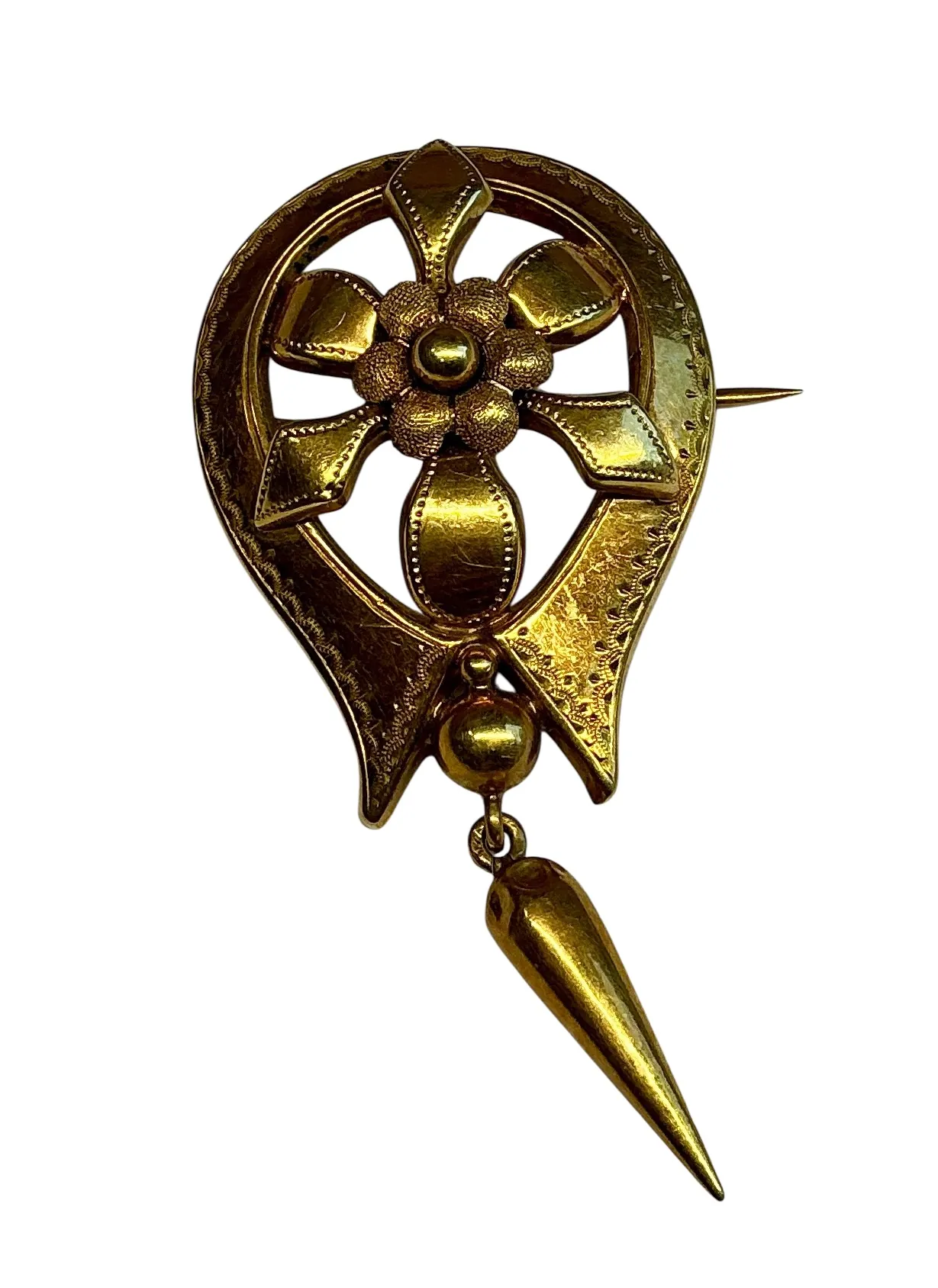
For furniture, check the back, underside and drawers for labels, stamps, handwritten names, hardware and construction details. Keep matching pieces together and photograph the whole piece as well as close-ups of marks, damage and unusual features. For art, photograph the front, back, frame, signature, gallery labels and any handwriting. For jewellery and silver, look for hallmarks, maker's marks and inscriptions, but do not scrape or polish them to make the marks easier to read.
Provenance is simply the trail of where an object came from. It may be an old receipt, family letter, auction catalogue, label, photograph or story that can be checked. A story does not prove value by itself, but it can tell an appraiser or specialist where to look. Keep loose notes with the related object instead of putting all paperwork in one generic file.
When the question has financial consequences, a casual sale estimate is not the same as a formal appraisal. The IRS explains that personal-property valuation depends on relevant market information and comparable sales around the valuation date in its personal property valuation guidance. Let the purpose of the decision guide the kind of opinion you need.

4. Keep collections and pairs together
Many inherited objects make more sense as a group. A single spoon can look ordinary while a complete set of flatware tells a different story. One book may be a common edition, while a shelf of related books with inscriptions, dust jackets or local history is worth reviewing together. The same applies to coin albums, tools, military material, pottery, photographs, postcards, records and decorative sets.
Do not divide a collection among different boxes just because the pieces are easy to carry. Keep the original containers, boxes, cases, keys and paperwork with the objects whenever possible. If the group is too large to leave in place, photograph it first and label the containers clearly. This preserves the relationships that can matter to both collectors and family members.
It is also wise to make a quiet second pass through drawers, desks, closets, shelves, attics and garages before a room is declared finished. Small valuables and family records are often found in the places that seem least important during the first walk through. That does not mean treating every paperclip as a treasure hunt. It means giving the ordinary hiding places one deliberate look before the room is emptied.
5. Do not repair away the evidence
Cleaning and repair can be useful when the right person recommends it, but they are poor first steps for inherited antiques. Aggressive polishing can remove surface detail from silver. A rushed repair can replace original hardware or materials. A painting can be damaged by household cleaning products, and a paper label can be lost forever in a move.
Leave an object in its current state until you know what it is and what the next step will be. Dust is one thing. Altering, refinishing, gluing, re-lining, removing a frame or separating an object from its box is another. When an item appears delicate, signed, unusual or historically connected, take clear photographs and ask for guidance before work begins.
This approach also protects you from spending money where it will not help. A professional assessment may show that a piece is ready for a practical sale as it stands, that it needs specialized conservation, or that it is better kept as a family object. The point is to make the repair decision with information rather than anxiety.
6. Choose the right path for each group of items
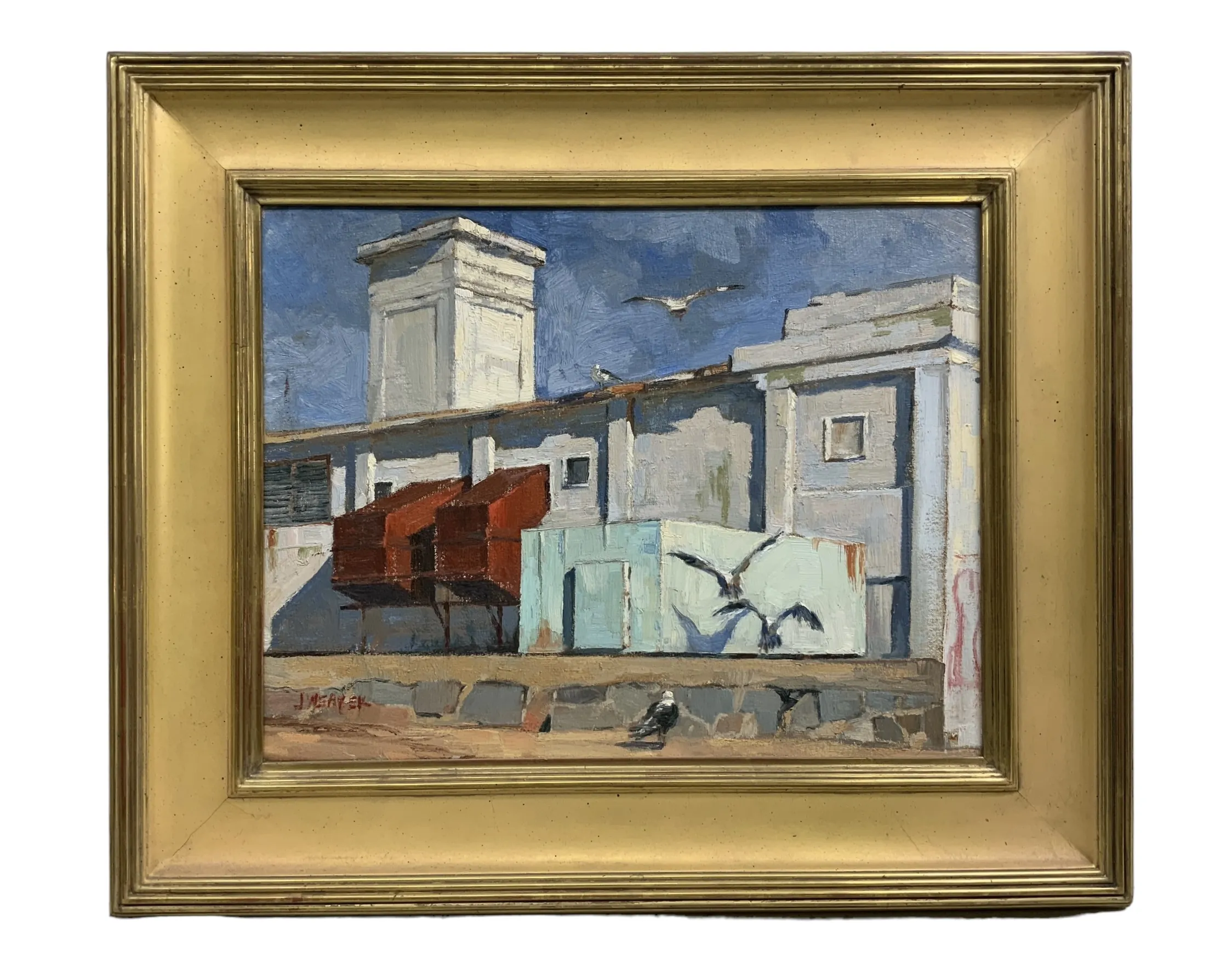
Inherited antiques do not need one universal destination. Some pieces belong with family. Some may be appropriate for auction or consignment because they need a collector audience. Some useful furnishings may be better suited to an estate sale, direct purchase or local resale. Some objects will be right for donation, and some have no practical market at all.
That is not a failure. The goal is not to force every item into a sale. It is to give the strongest material a fair chance before the rest of the house dictates the decision. Our guide to estate sale versus auction explains how those two paths differ, while the estate cleanout checklist covers how to sort the home before removal begins.
Timing matters. A house closing, move or storage deadline may make a full auction impractical for some contents, but that does not mean the review must be skipped. An early assessment can separate the pieces that deserve photography, research and a buyer audience from the material that needs a faster route. Once that work is done, a cleanout can move much more confidently.
7. Get a knowledgeable second opinion before you commit
Ask for help when the estate includes art, jewellery, coins, maritime material, books, historic documents, Americana or any collection that seems more specific than ordinary household contents. A good preliminary conversation should start with photographs, location and timing, then explain what needs an in-person look and what can be handled more simply.
Cape Ann Auction works with estates across New England and can help families compare an auction, consignment, direct purchase, on-site sale or a combination of those options. The value is not a blanket promise that everything will be worth selling. It is an experienced view of which pieces deserve a pause before the house is cleared.
When you are ready, share a few well-lit overall photographs and close-ups of signatures, labels, marks and paperwork. Include the property location and the deadline. That gives the first conversation enough substance to be useful without asking you to identify every object yourself. For an estate that also needs clearing, our guide on choosing an estate cleanout service can help you sequence the work.
8. Keep a simple record until the plan is complete
Save the photographs, the working list and any estimates in one place. When an item leaves the property, note whether it was kept by a family member, taken for appraisal, sold, donated or disposed of. The record can be as simple as a dated note with a few supporting photos. It is not meant to turn a family home into a warehouse inventory. It is meant to make the process easier to explain when someone asks what happened to a particular piece.
For property that is sold, keep the agreement, item list when there is one, final accounting and payment record with the estate papers. For donations, retain the acknowledgment from the receiving organization when you need it. For formal tax, insurance or estate questions, ask the appropriate professional which records are required before you discard anything.
A little documentation also makes the final walk-through calmer. Before the house is handed over, check the review area, locked closets, desk drawers, attic access, garage shelves and any location where related paperwork was set aside. It is far easier to resolve a question while the house is still accessible than after the keys have changed hands.
A short first plan for inherited antiques
- Confirm who has authority to make decisions and agree on a short timeline.
- Photograph rooms, labels, signatures, marks and paperwork before items are moved.
- Create a protected review area for small, unusual, signed or documented objects.
- Keep sets, boxes, cases and supporting notes with the related items.
- Do not clean, repair, refinish or divide uncertain material before review.
- Sort the estate into keep, review, sell, donate and dispose, one room at a time.
- Choose the sale method after the relevant items have had a closer look.
Frequently asked questions
Questions before you decide.
Should I get inherited antiques appraised before selling them?
An appraisal is especially useful when an item may have collector, insurance, tax or estate-administration importance. For a mixed group, start with a preliminary assessment so the items that need research can be separated from ordinary furnishings and household goods.
Should I clean inherited silver, paintings or jewellery?
Not before someone familiar with the category has looked at them. Do not polish silver, wash paintings, remove labels, repair furniture or discard boxes and paperwork. Condition, marks and supporting material can affect what an item is and how it should be handled.
How can I tell if inherited furniture is valuable?
Age alone is not enough. Look for maker's labels, signatures, original surfaces, unusual construction, matching sets, strong design, local provenance and documented history. Photograph those details and keep them with the piece for review.
Can I donate inherited antiques I do not want?
Yes, after the family and estate decision-makers have agreed and any items needing review have been set aside. Confirm that the receiving organization accepts the material and keep a record of what was donated when documentation matters.
Related guides
Make the next estate decision with more confidence.
Estate Cleanout Checklist: Keep, Sell, Donate, Discard
A calm, practical order for sorting an estate without losing the paperwork, keepsakes or items that deserve a closer look.
Read the guide
Estate Sale vs. Auction: Which Is Right for an Estate?
A practical way to compare an estate sale and an auction before you make a plan for a home, collection or inheritance.
Read the guide
How to Choose an Estate Cleanout Service
What to ask before hiring help to clear an estate, so the right items are reviewed, the work is defined and no important details are lost.
Read the guideShare this entry
If you want to be among the first to be notified of fresh auctions, click here.