Estate planning
Estate Sale vs. Auction: Which Is Right for an Estate?
The best choice is rarely about a label. It is about the mix of property, the timeline, the house and the audience each item needs to reach.
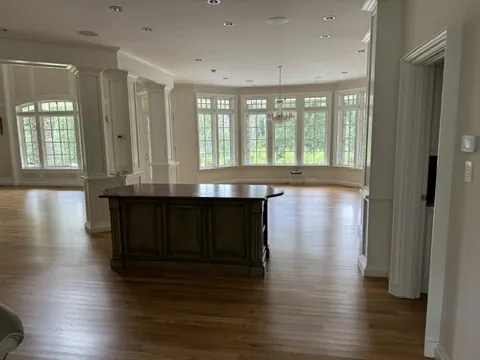
When an estate needs attention, the pressure can make every option sound the same: clear the rooms, sell what you can, meet the deadline. But an estate sale and an auction do different jobs. One uses fixed prices and local shopping over a short window. The other uses competitive bidding and can bring a specialist audience to the pieces that deserve it.
The useful question is not, "Which gets more money?" It is, "What is in this estate, who is likely to want it, and what needs to happen next?" A strong plan may use one method, or it may combine several. The goal is to make decisions in the right order before the house is emptied and the best clues are gone.
Start with the difference that matters
An estate sale is usually an in-home event. Items are sorted, priced and offered to shoppers at marked prices. It can be a practical route for usable furnishings, kitchenware, tools, household goods and the broad mix of things a local buyer can carry out that day. The pace is immediate: people browse, choose and pay.
An auction sells lots through bidding. That can happen online, in person or in a blended format. Instead of setting a final shelf price for each item, the sale creates a chance for interested buyers to compete. Massachusetts treats auctions as a licensed activity, and the state explains the rules and terms buyers and sellers should understand in its auction overview.
Neither format is a universal answer. An estate of ordinary furniture and household contents may need a different approach than one with Cape Ann art, maritime antiques, coins, jewellery, rare books, signed objects or a collection that appeals beyond one neighbourhood.

When an estate sale can make sense
An estate sale is often worth considering when the house itself is the natural setting for the sale and the priority is moving a wide range of practical contents in a short period. Buyers can see furniture, lamps, kitchen contents and everyday items in context. The estate does not need every object to be rare for the event to work.
This route may fit when there is enough volume to make opening the home worthwhile, the property can safely host shoppers, and the real estate timeline calls for prompt clearing. It can also help when the family wants to offer a large amount of useful household material at once rather than prepare individual lots.
There are tradeoffs. Fixed-price sales require pricing judgment up front. If a specialist item is missed, underpriced or simply not seen by the right buyer, the opportunity may pass quietly. Traffic can also be highly local. That is why it helps to separate the question of clearing the house from the question of selling every item the same way.
When an auction may be the stronger route
An auction becomes more compelling when the estate has material that benefits from research, cataloguing and an audience with specific interests. A Cape Ann painting may need collectors who follow regional art. A group of coins may need buyers who understand dates and grades. Maritime objects, vintage jewellery, early documents, silver and unusual design pieces can all be worth a closer look before they are placed on a table with a handwritten price.
Competitive bidding is not a promise that every lot will exceed expectations. It is a way to let demand show itself when more than one interested buyer is watching. For personal property, value is closely connected to market conditions, demand and comparable sales; the IRS notes that a useful valuation process identifies the market information and comparable data behind the conclusion. See its tangible personal property valuation guidelines for the underlying principle.
An auction also needs lead time. Items may need to be photographed, measured, researched, catalogued and promoted before bidding opens. The right solution is not automatically the fastest one. It is the one that protects the value of the parts of the estate that can justify that work.
Compare the decision, not just the sale format
| Question | An estate sale may fit when... | An auction may fit when... |
|---|---|---|
| What is being sold? | There is a broad volume of useful household goods and furnishings. | There are distinct objects, collections or categories that need a collector audience. |
| How are items sold? | Shoppers buy at marked prices. | Buyers bid against one another. |
| Who is likely to buy? | Mostly local shoppers looking for practical finds. | Local, regional or online bidders drawn to specific lots. |
| What is the timing? | The property needs a quick, concentrated event. | There is time to prepare, catalogue and promote the right items. |
| What happens to the rest? | Unsold contents still need a plan after the sale. | Lower-interest contents may still need another route. |
Use this comparison as a starting point, not a rule book. A single estate can contain a strong auction group, an estate-sale group, family keepsakes and items that are better donated or recycled. Treating every item alike can be convenient, but it can also hide value or create unnecessary work.
Look for the signals that deserve a second opinion
Before selling anything, slow down around the objects that are small, signed, unusual, old, locally connected or accompanied by paperwork. That includes drawers, desk contents, albums, framed work, boxes of correspondence, medals, coins, watches, jewellery, studio pottery, maritime hardware, old photographs and anything with a maker's mark.
Family stories are not always enough to establish value, but they can point to a useful question: who made this, where did it come from, and is there a record that helps identify it? Provenance, receipts, old labels, exhibition notes and photographs can all matter. Set those items aside without cleaning, repairing or splitting them up.
For an estate with legal, insurance or tax needs, a sale recommendation and a formal appraisal are not interchangeable. The IRS describes appraisals as determinations of fair market value in specific contexts, including estate and gift tax work. Its Art Appraisal Services overview explains why personal-property valuation calls for informed review. When documentation matters, discuss the purpose of the appraisal before the sale process begins.

Make the plan around the real deadline
Most families are balancing more than property. There may be a closing date, a move to assisted living, several heirs, a landlord, an attorney or a house that cannot sit empty for long. Share those constraints at the beginning. A good recommendation needs to account for time, access, labour, storage and what happens after the sale.
Start by deciding what family members are keeping. Then avoid informal "first come, first served" removal before the estate has been documented and the decision-makers agree. If there are multiple heirs or a formal estate process, confirm who has authority to direct the sale. Executors and trustees act in a fiduciary role, as the American Bar Association notes in its guidance for individual executors and trustees.
Once the authority and timing are clear, photograph rooms, collect keys and paperwork, and make a simple list of what is definitely staying. You do not need to identify every object yourself. You do need to preserve the context long enough for the right people to assess it.
Questions to ask before you agree to a sale
A good proposal should make the next steps easier to understand, not harder. Ask what the company expects to handle, what remains your responsibility, and which pieces may be separated for a different sale path. A clear answer is more valuable than a quick promise about a final dollar amount before anyone has seen the property properly.
Ask how the sale will be marketed, whether the company has buyers for the categories that matter most, and how the catalogue or pricing decisions will be made. For an auction, find out whether there will be photography, research, an online catalogue, previews and a defined pickup process. For an estate sale, ask how the home will be staffed, how price reductions are handled, and what happens to contents that remain after the doors close.
Fees deserve the same level of clarity. Request the commission, any charges for labour, transport, advertising, cleanout, storage, insurance or disposal, and the point at which those costs apply. Ask when you will receive an accounting and payment, and whether there are reserves or minimums for particular items. The right proposal should spell out the practical details rather than leaving them to a verbal understanding.
Finally, ask whether the company will recommend against a sale format when it is not the best fit. That is often the most useful answer. An estate does not become easier to manage because someone calls every item an auction lot or every room an estate sale. Honest guidance separates the material that can benefit from specialist attention from the material that needs an efficient, sensible exit.
A practical first-week checklist
- Pause the cleanout. Do not donate, discard or divide small objects, papers, drawers or attic contents before a first review.
- Set aside family keepsakes. Mark what is staying, but leave items with possible value intact until they can be evaluated.
- Gather the clues. Keep receipts, certificates, labels, photos, old catalogues and handwritten notes with the related object.
- Share the deadline. A real estate closing or move date changes which sale options are practical.
- Ask for a clear recommendation. The answer may be auction, estate sale, consignment, purchase, appraisal or a combination.
How Cape Ann Auction helps families decide
Cape Ann Auction begins with what is actually in front of you. The team can review estate contents, identify material that merits research, and explain whether an estate auction, consignment, direct purchase or another sale path makes the most sense for the timeline. That approach is especially useful when an estate includes Cape Ann art, maritime antiques, coins, jewellery, books, historic documents or the kind of mixed contents that should not be judged from one room.
When a documented opinion of value is needed, Cape Ann Auction also offers certified personal-property appraisals for estates, insurance, collections and individual items. The goal is simple: give the people responsible for the estate enough clarity to make the next decision without pretending every object belongs in the same sale.
If you are working through an estate in Gloucester, on Cape Ann or elsewhere in New England, a few photographs and the basic timeline are enough to start. Request a free assessment when you are ready to talk through the options.
Frequently asked questions
Is an estate sale or auction better for a house full of furniture and household goods?
It depends on the quality, quantity and timing. A well-run estate sale can be practical when the home needs to be cleared quickly and most of the inventory is everyday household material. An auction can be a stronger fit when the estate includes collectible, artistic, maritime, jewellery, coin or other specialist material that may attract motivated bidders.
Can an estate use both an auction and an estate sale?
Yes. A mixed approach is often sensible. Higher-interest items can be evaluated for auction while practical furnishings and household contents are handled through an on-site sale, direct purchase, donation or another agreed route.
Should I get an appraisal before selling estate items?
For items that may have collector, insurance, legal or tax significance, an appraisal can establish a more informed starting point. A preliminary assessment is also useful when you need help deciding what deserves research before anything is sold.
What should I do before a company visits the house?
Do not throw out papers, photographs, small boxes, drawers or attic contents before they have been reviewed. Set aside items family members are keeping, collect any known provenance or receipts, and share the real estate deadline so the recommendation reflects the actual timetable.
Related guide
Still sorting the house?

Estate Cleanout Checklist: Keep, Sell, Donate, Discard
A calm, practical order for sorting an estate without losing the paperwork, keepsakes or items that deserve a closer look.
Read the checklistShare this entry
If you want to be among the first to be notified of fresh auctions, click here.