
Estate planning
Estate Cleanout Checklist: Keep, Sell, Donate, Discard
Clear a house in the right order: protect the papers, people and objects that cannot be replaced before you make space for everything else.

An estate cleanout is not a race to fill boxes. It is a sequence of decisions, some practical and some emotional, made while a family may also be handling a move, a house sale, probate or a deadline. The fastest way to create regret is to start with the biggest furniture, call for a dumpster, and discover later that the important things were still inside drawers, books, coat pockets and file cabinets.
A better approach is simple: protect what is hard to replace, sort what needs a closer look, then move the ordinary material through the right channel. This checklist is for families, executors and trustees who need a clear first pass through a home without assuming that every object is valuable or that everything must be handled the same way.
1. Confirm the authority, access and deadline
Before anyone starts taking items, agree on who is making the decisions and what the actual deadline is. If there are several heirs, a trustee, an executor, an attorney, a landlord or a pending property sale, write down the names and the basic timetable. A family disagreement is much harder to solve after a room has been cleared.
For a Massachusetts estate, the Probate and Family Court has an estate-administration guide that describes the personal representative's inventory responsibilities. That is a useful reminder that a house cleanout and the legal administration of an estate are not the same task. When you are unsure about authority, get legal guidance before property is distributed or sold.
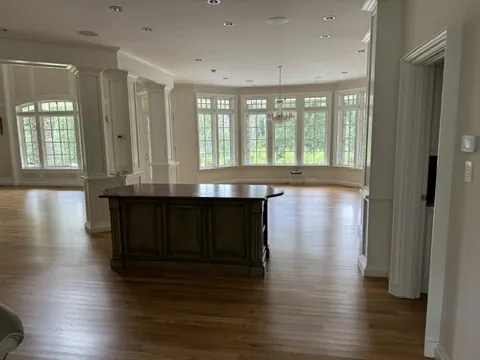
Then make the house workable. Secure keys, mail, utilities and any areas that should stay private. Take a few wide photographs of each room before sorting. They are not a substitute for an inventory, but they preserve context when a question comes up later about where something was found.
2. Make a protected review area first
Choose one secure table, closet or locked room that will not be used for donation bags, trash or moving boxes. This is the review area. Put anything uncertain there until it has been discussed, documented or looked at by the right person. A fifth category, "review," prevents the false choice between keeping everything and throwing things away too quickly.
Start with small, portable items and paperwork. Look through desks, cabinets, pockets, books, sewing boxes, tool chests, old handbags, albums, attics and the back of closets. The point is not to search for treasure in every object. It is to keep the easy-to-miss evidence, family history and valuable small items from disappearing into a mixed box.
Put documents, wills, deeds, tax records, insurance papers, bank information, family photos, letters, jewellery, watches, coins, medals, silver, fine pens, cameras, signed art, old labels, receipts and locally connected objects into the review area. Keep related boxes, notes and paperwork with the object rather than scattering the clues.
3. Give every item one of five destinations
Once the first review pass is complete, sort one room at a time into five plain categories: keep, review, sell, donate and dispose. Label containers clearly and keep a simple list or phone note for major decisions. This reduces repeat conversations and prevents a good donation box from drifting into a sale pile.
| Destination | Use it for | What to do next |
|---|---|---|
| Keep | Family keepsakes, practical items and property someone is entitled to receive. | Label the recipient or storage destination before it leaves the house. |
| Review | Anything uncertain, signed, unusual, small or accompanied by paperwork. | Photograph it, keep related material together and ask for an informed opinion. |
| Sell | Material with a real resale path, from useful furnishings to collector items. | Choose an estate sale, auction, consignment or direct purchase based on the item and the timeline. |
| Donate | Clean, usable goods that are not needed by the family and do not merit a sale effort. | Confirm the receiving organization accepts the items before loading a vehicle. |
| Dispose | Broken, unsafe, expired or unsanitary material with no practical next use. | Use the correct local disposal channel for appliances, chemicals, electronics and other regulated items. |
Do not make the piles too large. Move one category out of the room at a time, then do a quick second look at shelves, drawers and surfaces before the next group begins. A room-by-room approach makes it easier to see progress without mixing decisions from the entire house together.
Keep an item with its identifying information whenever possible. A watch should stay with its box or paperwork, a painting with the label on the back, and a set of flatware with the pieces that belong together. If an object needs to be moved, take a quick photograph first and write down the room or drawer where it was found. This small amount of order can save a family from having to reconstruct decisions after the home is empty, especially when a deadline leaves no room for guesswork. It also gives an appraiser, auctioneer or family member a more useful starting point when a question arises later.
4. Work from the least personal rooms inward
It is tempting to begin with the biggest or most visible room, but a calmer order usually works better. Start with bathrooms, linen closets, laundry rooms, garages or utility spaces, then move to kitchens and common rooms. Bedrooms, home offices, workshops and attics often hold the items that take the most time and emotion, so save them until the family has a working system.
Within each room, open every drawer, cabinet and container before calling it finished. Check the inside of books, coat pockets, under sink cabinets, the backs of closets, desk trays and labeled tins. Older homes often have a surprising amount of paper, hardware and personal material tucked away in places that do not look important during a rushed cleanout.
Set a reasonable session length. Two or three focused hours with a clear stopping point usually produces better decisions than an exhausted twelve-hour push. At the end of each session, remove only the completed donation, disposal or keep piles. Leave the review area untouched until someone responsible has had a chance to look through it.
5. Pause before cleaning, repairing or separating valuables
Some pieces look ordinary until their details are examined. Do not polish silver, scrub paintings, repair furniture, remove labels, discard boxes or split a collection into individual items before it has been reviewed. A handwritten label, a pair of objects, an old receipt or the condition of a surface can help explain what an item is and where it belongs.
For a formal appraisal or a tax-related value, the relevant date and market evidence matter. The IRS explains in its personal-property valuation guidance that valuation analysis should use relevant sales information around the valuation date and consider market conditions. That is one reason a sale estimate, an insurance value and an estate-tax appraisal should not be treated as interchangeable.
For families facing a mixed house, an early appraisal conversation can separate the items that deserve research from the material that is ready to move. Cape Ann Auction works across art, jewellery, coins, books, historic documents, maritime material and general estate contents, so the recommendation can be about the whole mix rather than a single category.
6. Choose the sale method after the sort, not before
Once the review group is clear, decide what kind of sale actually fits the material. Useful furnishings and a broad volume of household goods may suit an on-site estate sale. Distinct objects, collections and specialist material may benefit from cataloguing and a bidder audience. Some estates need both, plus donation, recycling or a direct purchase for the remainder.
That choice should follow the facts: what is in the house, what needs to be cleared, how quickly the property must be empty, and whether an item will reach the people likely to care about it. Our guide to estate sale versus auction compares the two routes in more detail. For an estate that includes a substantial collection or a complex home, Cape Ann Auction can also help families compare auction, consignment and direct-purchase options.
Be realistic about the ordinary material. A sale is not a promise that every item will have a market, and storage is not always the right answer. A clear plan identifies the strong material first, then makes a sensible route for the rest without letting the whole project stall.
7. Handle medication, chemicals and personal data separately
Medication, cleaning products, fuels, paint, firearms, sharps and electronics should never be tossed into a general pile without checking the local rules. The FDA says that a drug take-back option is the preferred route for most unused or expired medicines, and it provides guidance on take-back and mail-back options. Remove or cover personal information on empty prescription packaging according to its instructions.
Also gather laptops, phones, external drives, paper files and mail that may contain account numbers or personal information. Save what an executor, attorney or accountant needs, then use a secure destruction or recycling option for the rest. Do not donate a device until the family's data has been handled properly.
8. Bring in help at the right point
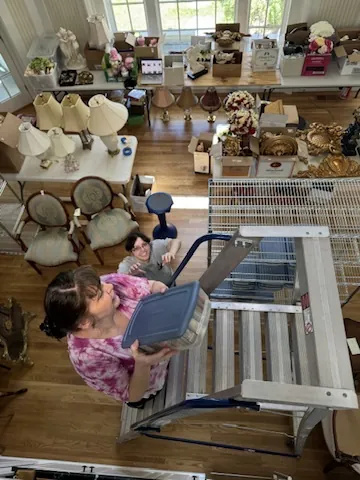
Professional help is most useful after the early decisions have been made. That may mean an appraiser for uncertain personal property, an auction team for the saleable material, a cleanout crew for heavy lifting, or all three in sequence. Asking for help does not mean giving up control. It gives the family a way to put experienced eyes and hands on the parts of the job that carry the most risk or effort.
Cape Ann Auction starts with a preliminary assessment. Share a few well-lit photographs, the estate location and the timeline, then the team can explain whether an auction, consignment, direct purchase, on-site sale or another route makes sense. For estates in Greater Boston and New England, the estate auction service outlines how assessment, cataloguing, promotion, cleanout and final payment can fit together. When you are ready to talk through the actual property, request an assessment.
Quick estate cleanout checklist
- Confirm who has authority to make decisions and record the real deadline.
- Secure the home, photograph each room and create one protected review area.
- Collect documents, small valuables, family material and uncertain objects before moving furniture.
- Sort room by room into keep, review, sell, donate and dispose.
- Do not clean, repair, relabel or split uncertain antiques, art, jewellery or collections.
- Choose the sale path after the valuable and specialist material has been identified.
- Use proper channels for medication, hazardous material, electronics and personal information.
- Do a final walkthrough of every drawer, shelf, closet, attic, basement, garage and shed.
Frequently asked questions
Questions before you begin.
What should I do first when clearing out an estate?
Secure the property, identify who is authorized to make decisions, and make a first pass for papers, financial records, keys, medication, small valuables and family keepsakes. Do not start with furniture or a dumpster.
What should not be thrown away during an estate cleanout?
Set aside wills, deeds, tax records, savings bonds, stock certificates, insurance papers, photographs, letters, jewellery, watches, coins, signed art, books, old labels and any object that seems unusual or locally connected. When in doubt, place it in a review area rather than discarding it.
Should I clean antiques before an estate appraisal or sale?
Usually no. Do not polish silver, wash paintings, repair furniture, remove labels or separate a collection before it has been reviewed. Condition and provenance can matter, and an unnecessary cleaning or repair can change what a buyer sees.
When should an estate cleanout company be called?
Bring in help after the family has set aside keepsakes and the valuable or uncertain material has been reviewed. A cleanout crew is most useful when the remaining work is heavy, time-sensitive or spread across a full house, basement, garage or storage area.
Related guide
Choosing a sale path?
Estate Sale vs. Auction: Which Is Right for an Estate?
A practical way to compare an estate sale and an auction before you make a plan for a home, collection or inheritance.
Read the comparisonShare this entry
If you want to be among the first to be notified of fresh auctions, click here.