Estate planning
How to Sell an Estate: 8 Steps to Start Right
Selling an estate is easier when the first decisions protect what matters, clarify who is responsible and match each part of the property to the right next step.

Selling an estate can mean clearing a parent's home, settling an inheritance, making room for a move or dealing with a property that has to change hands quickly. The pressure tends to make every option sound alike: call a buyer, hold a sale, rent a dumpster and get the rooms empty. That is understandable, but it is not the best place to start.
An estate is usually a mix of decisions. Some things belong with family. Some need a little research. Some can be sold efficiently, donated responsibly or removed without regret. The goal is not to turn every object into a valuable antique. It is to protect the things that should not be rushed, then move the rest of the home forward with a plan that fits the actual property and deadline.
1. Confirm who can make decisions and what the deadline is
Before anything leaves the home, make sure the people involved understand who has authority to decide what is kept, sold, donated or removed. In a straightforward downsizing, that may simply be the homeowner. After a death or during estate administration, it may be an executor, personal representative, trustee, attorney or a group of heirs who need a clear process before property is divided.
For Massachusetts estates, the Probate and Family Court says a personal representative prepares an inventory of estate assets as part of administration. Its estate administration guide is a useful reminder that clearing a house and carrying out legal responsibilities are not the same thing. When there is uncertainty about authority, pause and get the appropriate advice before property is distributed or sold.
Then write down the facts that affect the sale: closing date, move date, access to the home, family availability, storage limits and any property that has already been promised. A sale plan changes when the home must be empty in ten days rather than six weeks. Being candid about the timeline from the start lets everyone choose an option that is actually practical.

2. Make one protected review area
Choose a secure table, closet or locked room that will not be used for donation bags, trash or moving boxes. This is the review area. It prevents the false choice between keeping everything forever and moving too fast. Anything small, signed, unusual, old, locally connected or accompanied by paperwork can wait there until the right person has had a closer look.
Begin with the places that are easy to overlook: desk drawers, file cabinets, bookshelves, coat pockets, tool chests, sewing boxes, closets, attics and the backs of cabinets. Set aside family photographs, letters, deeds, tax records, jewelry, watches, coins, medals, small silver, framed art, old books, historic documents and objects with labels or maker's marks. Keep boxes, keys, receipts and notes with the item they belong to.
Take broad photographs of the rooms before they change, then take quick close-ups of signs, labels, signatures and unusual details. A phone is enough. You are not trying to build a museum catalog. You are preserving the context that helps a family member, appraiser or auction specialist recognize what deserves another look.
3. Sort the estate into clear destinations
Once the review area is protected, work one room at a time. Use five plain destinations: keep, review, sell, donate and dispose. Label boxes or use a simple note on your phone so that decisions do not blur together as more people enter the house. Small, repeatable decisions are easier than trying to solve the whole estate in one weekend.
| Destination | What belongs there | What happens next |
|---|---|---|
| Keep | Family keepsakes, useful household items and property someone is entitled to receive. | Label the person or storage location before it leaves the home. |
| Review | Anything uncertain, signed, small, unusual or linked to records and family history. | Photograph it, keep related material together and ask for an informed opinion. |
| Sell | Property with a realistic resale path, from practical furnishings to focused collections. | Match it with the sale method and buyer audience that fit. |
| Donate | Clean, useful material that no one is keeping and that does not justify a sale effort. | Confirm the receiving organization accepts the material before arranging pickup. |
| Dispose | Broken, unsafe, expired or unsanitary material with no practical next use. | Use the right local route for appliances, chemicals, electronics and other special items. |
Do not make each pile too large. Complete one room, then look through its shelves, drawers and cabinets again before moving on. Keep collections, pairs and related groups together. A single spoon may tell you very little, while a complete service with its chest or a group of matching pieces may need a different conversation.
4. Do not clean, repair or split uncertain property
Cleaning feels productive, but it can be the wrong first step. Do not polish silver, wash paintings, refinish furniture, remove labels, throw away fitted boxes or divide a collection before it has been reviewed. Original surfaces, old hardware, a gallery label on the back of a painting or a note tucked inside a book can all help explain what an object is and where it belongs.
Age alone is not a measure of value. Look instead for evidence: artist signatures, hallmarks, maker's labels, inscriptions, complete sets, unusual construction, original boxes, documented provenance and a clear connection to a collector category. These details do not guarantee a sale, but they give the item a fairer chance of reaching the right audience.
The same care matters when documentation is needed. The IRS includes antiques, silver, artwork, collectibles and furniture among tangible personal property in its valuation guidance. A sale estimate can help you make a practical selling decision, while a formal appraisal is for situations that require a documented opinion of value, such as estate administration, insurance, tax or legal matters.

5. Decide what needs an auction, estate sale or another route
Do not choose the sale method before you understand what is in the house. An on-site estate sale can be practical for a broad volume of usable furniture, kitchen contents, tools and household goods, especially when the home itself can host a short, well-organized event. It helps move appropriate material at a defined pace.
An auction can be a stronger route for property that benefits from research, cataloging and a buyer audience with specific interests. Cape Ann art, maritime antiques, estate jewelry, silver, coins, rare books, historic documents and other focused collections may deserve more than a handwritten price tag. Bidding creates a way for several interested buyers to respond to the same item, but it also requires time for preparation, photography and promotion.
Consignment, direct purchase, local resale, donation and removal can all have a place too. The best estate plan may use several of them. For a closer comparison of the two most common sale formats, read Estate Sale vs. Auction. The important thing is to let the property and timeline choose the route, rather than forcing every room into one sale format.
6. Ask for a clear proposal before you commit
Whether you are speaking with an auction house, estate-sale company, buyer or cleanout provider, ask what they are proposing for each part of the estate. A useful conversation should separate saleable material from ordinary household contents and explain what remains your responsibility. Be wary of a quick promise that treats every object in a home as equally valuable or equally easy to sell.
Ask how the strongest material will be marketed, how fees work, what preparation is included, when payment and accounting will happen, and what will be done with unsold or lower-interest contents. For an auction, ask about cataloging, photography, buyer reach, previews, pickup and the actual sale timeline. Massachusetts publishes an auction overview that explains basic auction terms and seller considerations.
For a cleanout, ask who will be in the home, what is included in the price, how changes are approved and whether items that may have resale value are separated before removal. Our guide to choosing an estate cleanout service lays out the questions that prevent a vague quote from becoming an expensive surprise.
7. Handle medication, hazardous materials and personal data separately
Not everything in an estate should go through a sale, donation or ordinary trash route. Separate medications, chemicals, paint, fuels, ammunition, sharps, appliances, electronics and personal records as soon as you find them. These items can affect safety, disposal costs and the schedule, so they are worth addressing early instead of leaving them for the final day.
The FDA recommends using a drug take-back or mail-back option for most unused or expired medicine, and its consumer disposal guidance explains what to do when those options are not available. Also protect laptops, phones, drives, tax papers and mail until the family has handled the information they contain. A donated device should be cleared properly, not simply added to a box.
Make a final walk through of closets, cabinets, attic spaces, garages, sheds and basements before the home is declared empty. Those are the places where small valuables, records and property with special handling needs are often found after everyone thinks the work is done.

8. Keep a simple record through the final handoff
Keep your photographs, working list, agreements and sale records in one place. When significant property leaves the home, note whether it was kept by a family member, taken for appraisal, sold, donated or disposed of. The record can be simple. It is there to make the process easier to explain later, not to turn a family home into a warehouse inventory.
Save sale agreements, item lists when available, final accountings, payment records and donation acknowledgments with the estate papers. If the home is being handed to a buyer, landlord, broker or another family member, take a few completion photographs after the final walk through. This gives everyone a clearer finish line and makes it less likely that a question will surface after keys have changed hands.
For a room-by-room order of operations, use the estate cleanout checklist. It is especially helpful when the estate includes a full house, garage, attic or storage area and the goal is to make steady progress without losing track of the review items.
How Cape Ann Auction can help
Cape Ann Auction helps families and executors make the sale decision before a house is emptied. Start with a few clear room photographs, close-ups of signatures, labels, marks and unusual details, the property location and the real deadline. The team can identify what needs more review and explain whether auction, consignment, direct purchase, an estate sale or a combined plan makes sense.
For material that requires documented value, Cape Ann Auction provides certified personal-property appraisals for estates, insurance, collections and individual pieces. For select collections and estate contents, the selling guidance explains how a preliminary assessment can set the right route before the practical work of clearing the home begins.
When you are ready to discuss the actual property, request an assessment. A clear first conversation can protect the material that deserves attention and make the rest of the estate easier to handle.
A quick checklist for selling an estate
- Confirm who can make decisions and record the real deadline.
- Photograph rooms and make one protected review area.
- Set aside records, keys, small valuables, family material and uncertain objects.
- Sort each room into keep, review, sell, donate and dispose.
- Keep collections, pairs, boxes, labels and paperwork together.
- Do not clean, repair or split uncertain antiques, art, jewelry or collections.
- Choose the sale route after the strongest material has been identified.
- Save the agreements, sale records and final walk-through notes in one place.
Frequently asked questions
Questions before you begin.
What should I do first when selling an estate?
Confirm who can make decisions, record the real deadline and protect the documents, family items and small valuables before furniture or donation boxes begin to move. A brief review area gives uncertain material a place to wait while the next steps become clear.
Should everything in an estate be sold at one sale?
Usually not. A house can contain family keepsakes, practical household contents, specialist material for auction, items suited to direct purchase or consignment, donations and material with no resale path. The sale route should follow the item and the timeline, not a one-size-fits-all label.
When does an estate need a formal appraisal?
A formal appraisal is appropriate when value needs to be documented for estate administration, insurance, tax or a legal purpose. A sale recommendation can help decide how to sell, but it is not a substitute for the written documentation required in those settings.
How much should I clean before an estate sale or auction?
Keep the home safe and accessible, but do not polish silver, wash paintings, refinish furniture, discard boxes or separate collections before an informed review. Original surfaces, marks, labels and related paperwork can matter more than a quick cosmetic improvement.
Related guides
Keep the next estate decision clear.
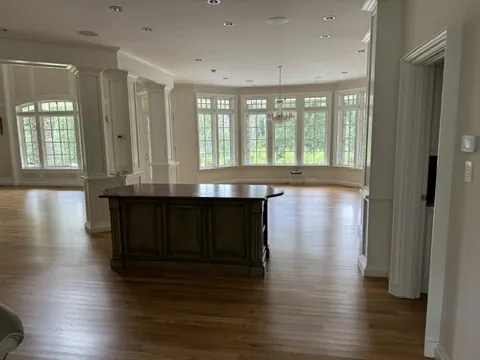
Estate Sale vs. Auction: Which Is Right for an Estate?
A practical way to compare an estate sale and an auction before you make a plan for a home, collection or inheritance.
Read the guide
What to Do With Inherited Antiques
A practical first plan for inherited antiques, art, jewellery and collections before anything is cleaned, divided, donated or sold.
Read the guide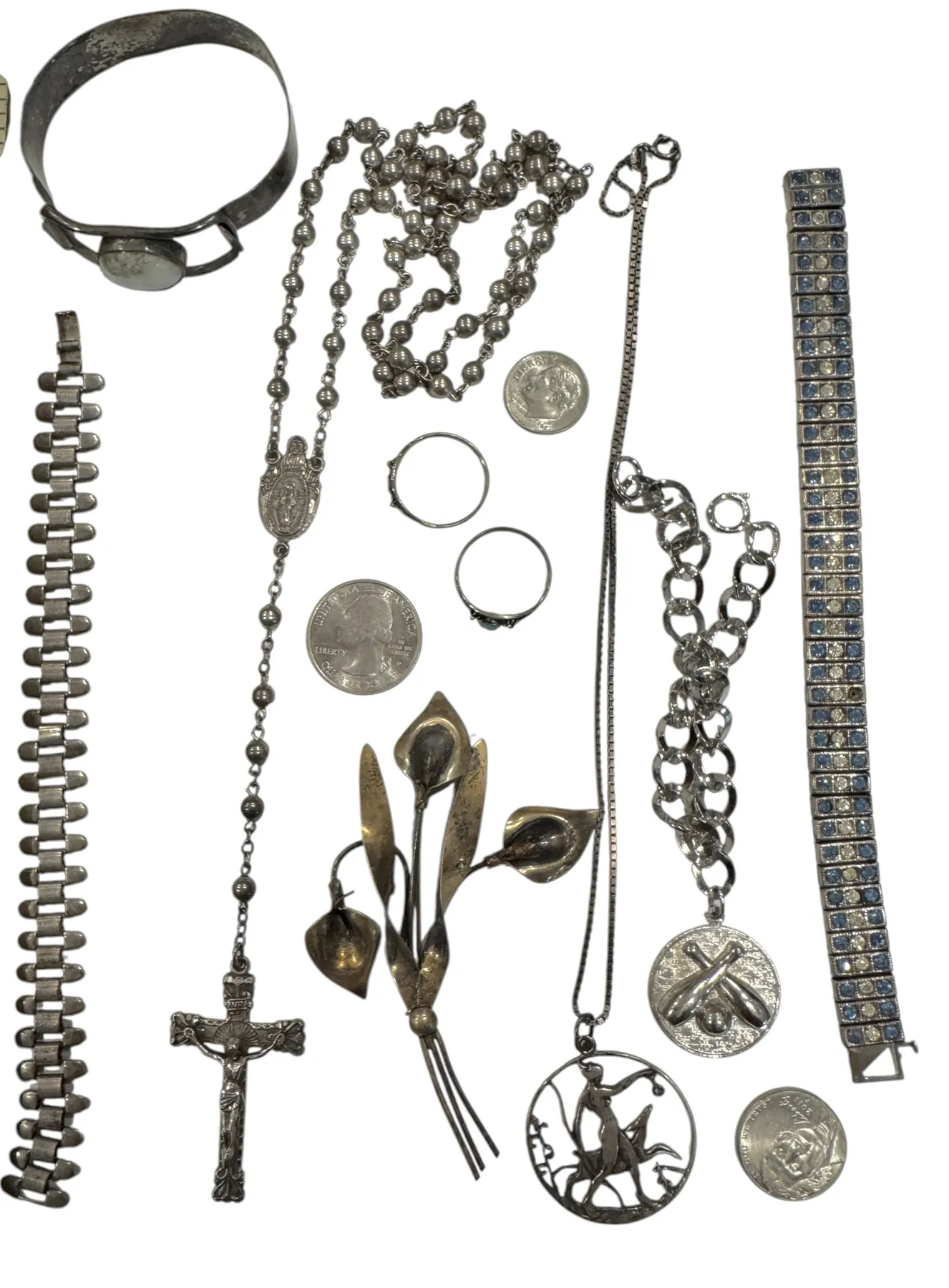
How to Sell Antiques Without Losing Value
How to sell antiques without losing value: what to photograph, what not to clean, and when auction, consignment or appraisal makes sense.
Read the guide
Estate Cleanout Checklist: Keep, Sell, Donate, Discard
A calm, practical order for sorting an estate without losing the paperwork, keepsakes or items that deserve a closer look.
Read the guideShare this entry
If you want to be among the first to be notified of fresh auctions, click here.