
Estate planning
How to Sell Antiques Without Losing Value
Before you choose a buyer, protect the details that explain what an object is, then match the sale method to the material, the market and your timeline.
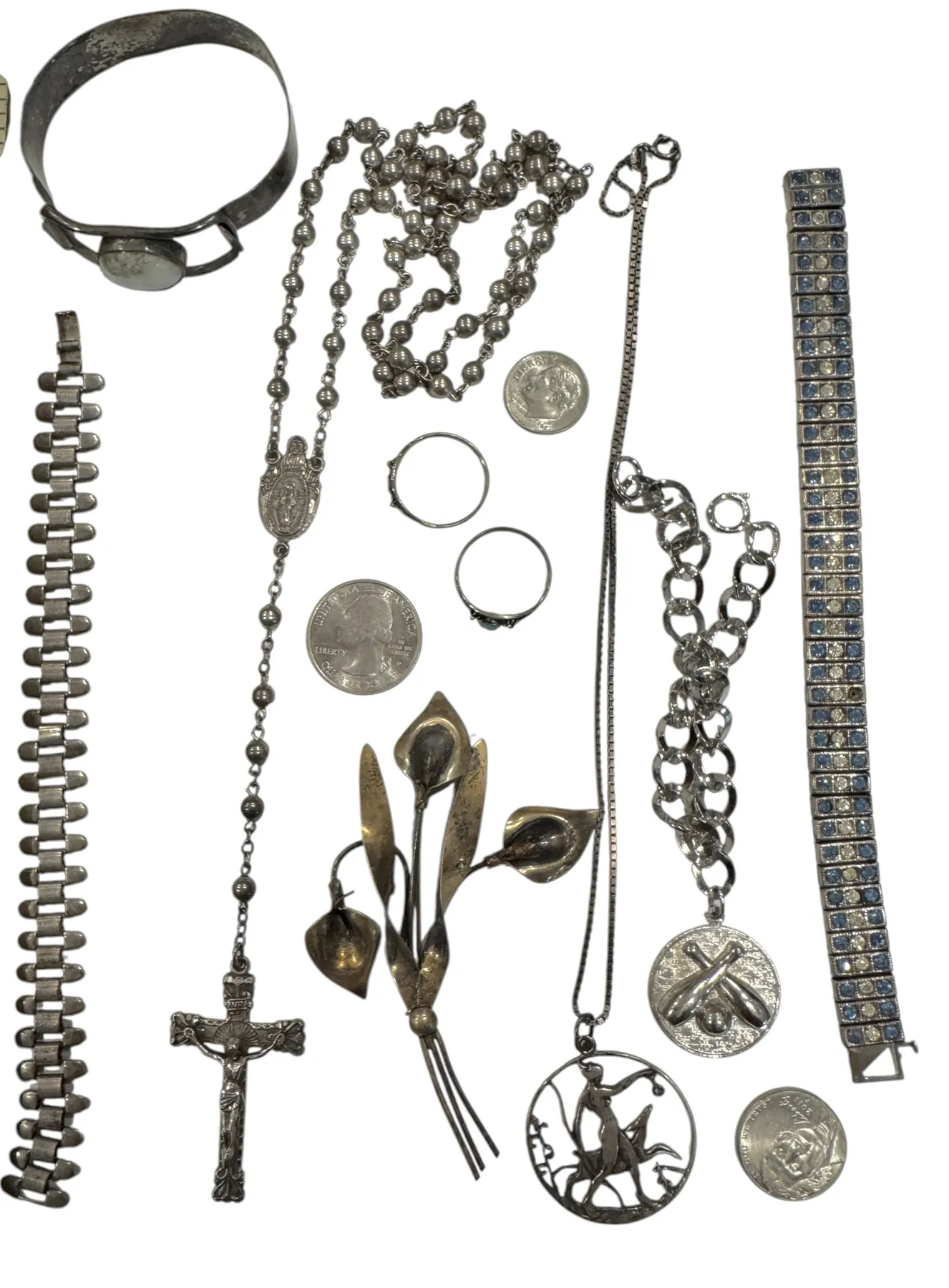
People often decide to sell antiques when a house is changing hands, a collection no longer fits, or a family is trying to make practical decisions after an inheritance. The difficult part is not finding a place that will take the items. It is figuring out what deserves a closer look before it leaves the house.
An old object is not automatically valuable, and a valuable object does not always look impressive at first glance. A piece of silver with a maker's mark, a painting with a gallery label, a box of coins, a desk drawer full of papers or a shelf of related books can carry information that disappears when things are cleaned, split apart or sold one at a time. A little order at the beginning makes it easier to avoid that mistake.
1. Start by identifying what you actually have
Do not try to price every object on the first pass. First, separate the material that may have a collector audience from the plainly useful household contents. Look for signatures, labels, stamps, hallmarks, maker's names, dates, unusual construction, original boxes, receipts, old photographs and handwritten notes. Those details are often more useful than the fact that something is old.
Art should be photographed front and back, including the frame, signature and any labels. For furniture, check the underside, drawers and back for labels, hardware and construction details. Keep matching sets together. With jewellery, watches, coins and small silver, keep cases, boxes and notes with the related pieces. For books, documents and photographs, do not remove inscriptions, dust jackets, labels or loose correspondence.
Take one broad photo of the object, then close-ups of the important details. A phone is enough. The goal is not to make a catalogue by yourself. It is to preserve enough information for someone to recognize what needs research, and to keep objects from being separated from the clues that go with them.

2. Do not clean or repair before the first review
Cleaning can feel like preparation, but it is often the wrong first step. Aggressive polishing can change the surface of silver. Household products can damage paintings. Refinishing may remove original finishes and maker's marks from furniture. A quick repair can replace hardware or materials that help date an item. Even a tidy donation box can separate a small object from its fitted case or paperwork.
Leave uncertain items as they are until you know what they are and what you plan to do with them. That does not mean living with a house full of clutter forever. It means creating a small review area for the things that are signed, unusual, documented, small enough to disappear or clearly part of a group. This can be a locked room, labeled shelf or a table where the items will not be mixed back into general household contents.
If an item needs conservation, cleaning or repair, the recommendation should follow identification, not precede it. The right work may improve presentation, but it should be chosen with an understanding of the material rather than an assumption that every old object needs to look new.
3. Keep collections, pairs and provenance together
Many antiques are more meaningful as a group. A single piece of flatware may be ordinary while a complete service, original chest and all, deserves more attention. One postcard can be modest, while a well-kept local collection with family notes may be much more useful to a buyer or historian. Coins, studio pottery, tools, military items, cameras, records, books and decorative sets all benefit from staying together until their story is understood.
Provenance is the record of where an object came from. It can be a receipt, auction catalogue, label, family letter, old photograph or a story that points to something that can be verified. Provenance does not guarantee a result, but it gives an appraiser or specialist a useful place to start. Keep those materials with the item, not in a generic box of paperwork across the room.
The same logic applies to pairs. A tea service without its tray, a painting without its matching companion or a clock without its key may have a different market than the complete group. When moving is unavoidable, photograph the collection in place and label every container clearly before it is moved to storage or another room.
4. Choose a sale route that fits the item
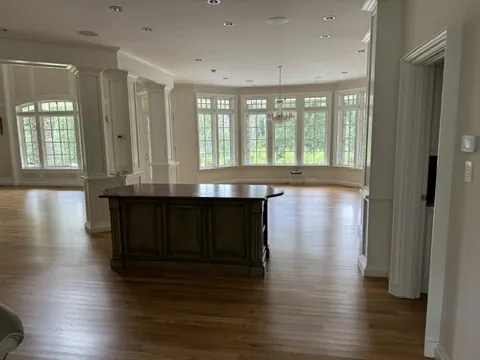
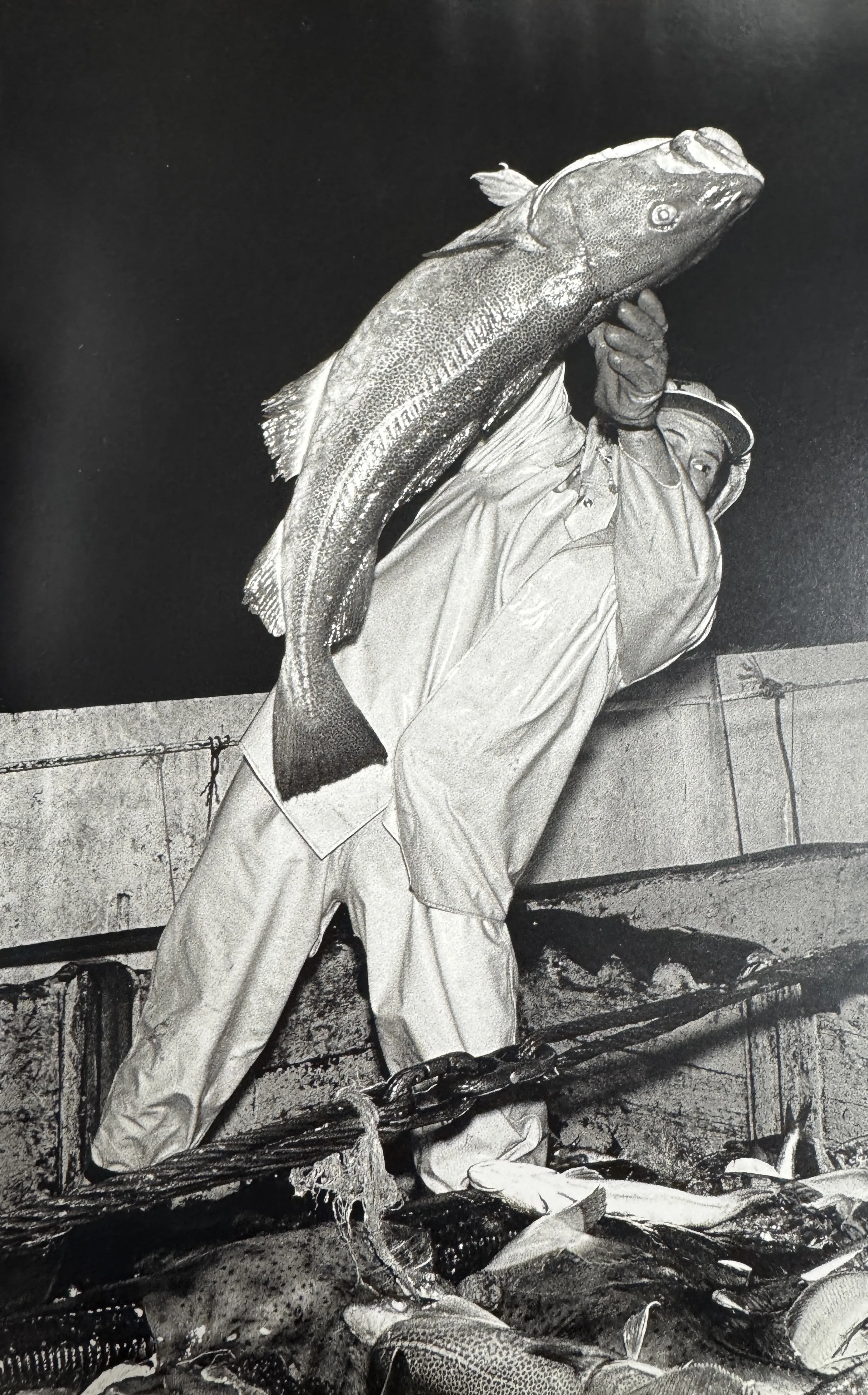
There is no single best place to sell antiques. The right answer depends on what the object is, how much time you have, whether there is a likely collector audience and whether the material needs formal documentation. A broad group of everyday furnishings may need a quick, practical path. A signed Cape Ann painting, fine jewellery, coins, maritime material or a specialized collection may need a more targeted buyer audience.
An auction can make sense when the strongest items benefit from photography, cataloguing, research and bidding among interested buyers. Consignment can be useful when a piece belongs in a particular market but does not fit an immediate auction. A direct purchase can be practical for select material when timing matters. An estate sale may help move useful furnishings and general household contents from a home, especially when the property itself can host the sale.
Online marketplaces can be useful for sellers who have time to research, photograph, describe, pack and ship individual pieces. They are less practical when a household needs to be emptied promptly or when the seller cannot confidently identify condition, age or authenticity. The cost of a weak listing is not only a missed sale. It can be a misplaced item, a dispute over condition or a collection broken into parts before anyone has considered its value as a whole.
These options can work together. One estate may include family keepsakes, items for auction, pieces appropriate for direct purchase, usable furnishings for another sales route and material better suited to donation or removal. For a detailed comparison, see our guide to estate sale versus auction. The goal is not to force every object into one method. It is to give each group a realistic route.
5. Know when a sale estimate is not enough
A sale recommendation and a formal appraisal solve different problems. A sale recommendation helps you decide whether an item is a fit for auction, consignment, purchase or another path. A formal appraisal is a written opinion of value prepared for a defined purpose, such as estate administration, insurance, tax or a legal matter.
The Internal Revenue Service explains that personal-property valuation relies on relevant market information and comparable sales near the valuation date in its personal property valuation guidance. That is why a price found online, a family story or a casual offer is not a substitute when documentation matters. Start by being clear about the decision you need to make.
If you are settling an estate, confirm who has authority to sell property before any agreement is made. The Massachusetts Probate and Family Court describes inventory and accounting responsibilities for personal representatives in its estate administration guidance. A household cleanout is not a replacement for those responsibilities. When the question has legal, tax or family consequences, get the right advice before the property is dispersed.
6. Ask better questions before you commit
When you speak with a buyer, auctioneer or appraiser, share clear photos, the location of the property, the deadline and any known history. Then ask what they would want to see in person, what they believe deserves separate attention and what they would not recommend for their sales channel. A useful answer is specific about the material, not a blanket promise about every object in the house.
Ask how the items would be marketed, who is likely to see them, what preparation is included and what fees or costs apply. For an auction, ask about cataloguing, photography, buyer reach, timing, pickup and final accounting. Massachusetts publishes an auction overview that explains the basic auction process and the terms buyers and sellers should understand. For any sale route, request the practical details in writing.
Be cautious of answers that skip the review and go straight to a confident dollar figure. Honest expertise sometimes means telling you a piece is not a good fit, that it needs a specialist opinion or that it has more value as part of a group. That clarity protects your time and prevents the best pieces from getting lost in the rush to clear a room.
7. Make a simple plan for the rest of the house
Once the review items are protected, the rest of the work becomes easier. Create a short list with five groups: family keepsakes, items needing review, items ready for a sale route, donations and disposal. Work one room at a time so that paperwork, small valuables and collection pieces do not migrate from pile to pile.
Photograph rooms before anything moves, then check desks, cabinets, closets, attics, basements and garages a second time before declaring a room finished. Small objects and records are often found in the places that look least important during a hurried first pass. The estate cleanout checklist gives families a fuller room-by-room order when an entire property needs attention.
Keep a dated record of what leaves the property, especially when more than one family member is involved. A simple note with photographs is often enough for ordinary decisions. Save agreements, item lists, final accountings and payment records with estate papers when a sale is completed.
How Cape Ann Auction can help
Cape Ann Auction helps families and collectors sort the pieces that deserve a pause before a house is cleared or a collection is divided. The first step is practical: review photographs, identify what needs a closer look and explain whether auction, consignment, a direct purchase or another route makes the most sense for the material and timeline.
For select property, our estate-buying guidance can help clarify whether a direct purchase is appropriate. When documentation is required, Cape Ann Auction also provides certified antique appraisals for estates, insurance, collections and individual pieces. The point is not to pretend everything belongs in a sale. It is to protect the items that deserve expert attention and help you move forward with the rest.
When you are ready, send a few well-lit photographs, including signatures, labels, marks and any paperwork, along with the property location and deadline. You can request an assessment to start the conversation.
A quick checklist before you sell antiques
- Photograph each uncertain item and its labels, marks, signatures, boxes and paperwork.
- Set aside small, signed, unusual or documented objects in a secure review area.
- Keep collections, matching sets, cases and related notes together.
- Do not clean, repair, refinish or divide objects before the first review.
- Confirm the sale deadline and who has authority to make decisions.
- Match each group of items to the sale route that fits it best.
- Keep records of property that is sold, donated or distributed.
Frequently asked questions
Questions before you sell.
Should I get antiques appraised before selling them?
A formal appraisal is most useful when value needs to be documented for an estate, insurance, tax or legal purpose. For a mixed group of household property, a preliminary assessment can help identify which pieces deserve deeper research before you choose how to sell them.
What is the easiest way to sell old antiques?
The easiest route depends on what you have. A single common piece may be suited to a local resale option, while a collection, signed artwork, coins, jewellery or regional material may benefit from a buyer audience that understands the category. Start with clear photographs and a realistic timeline before committing.
Should I clean antiques before selling them?
Do not polish, refinish, repair or wash an item until someone familiar with the category has reviewed it. Original surfaces, labels, marks, fitted boxes and accompanying paperwork can matter, and rushed cleaning can remove useful evidence or cause damage.
Can I sell antiques from an estate before probate is complete?
That depends on who has legal authority over the property and the circumstances of the estate. Confirm who can make the decision before items are distributed or sold. When legal, tax or estate-administration questions apply, get guidance from the appropriate professional.
Related guides
More help before the next estate decision.
What to Do With Inherited Antiques
A practical first plan for inherited antiques, art, jewellery and collections before anything is cleaned, divided, donated or sold.
Read the guide
Estate Cleanout Checklist: Keep, Sell, Donate, Discard
A calm, practical order for sorting an estate without losing the paperwork, keepsakes or items that deserve a closer look.
Read the guideShare this entry
If you want to be among the first to be notified of fresh auctions, click here.