
Estate planning
How to Sell Inherited Jewelry: A Careful First Plan
Before you accept an offer or divide a jewelry box, protect the details that help explain what each piece is and give the right pieces a fair review.

Inherited jewelry can be one of the hardest parts of an estate to sort. It is small, personal, easy to carry away, and often tied to family memories that make a quick decision feel wrong. A jewelry box may hold costume pieces, gold, silver, watches, loose stones, old repairs, gift notes, and a few items no one recognizes. The goal is not to turn every piece into a mystery. It is to slow down long enough to protect the information that could matter before anything is divided, donated, or sold.
This guide is for families deciding how to sell inherited jewelry, not for people trying to guess a final price from a photograph. Value can depend on metal content, maker, age, condition, gemstones, design, completeness, and current buyer interest. A practical first plan helps you preserve those clues, separate family decisions from estate responsibilities, and choose a sale path that fits the pieces and the real deadline.
1. Secure the jewelry and photograph it before sorting
Begin with a quiet inventory. Put jewelry, watches, coins, small silver, loose stones, certificates, boxes, receipts, and handwritten notes in one secure review area. Do this before a cleanout starts, before relatives take individual pieces home, and before donation bags or moving boxes are filled. Small valuables can disappear into an ordinary drawer much faster than a piece of furniture.
Take broad photographs of each tray, box, and group before you separate it. Then photograph individual pieces from the front and back, plus any hallmarks, signatures, engraving, serial numbers, cases, or paperwork. A phone is enough. You are creating a record that helps the family keep track of the property and gives a qualified reviewer a better starting point.
Keep the related materials together. A velvet box, store receipt, appraisal paper, repair slip, old photograph, or gift card may not prove a value on its own, but it can answer useful questions about origin, age, ownership, or prior work. Do not put all papers into one generic estate file and leave the jewelry in another room.

2. Confirm who can make decisions before anything leaves the house
Jewelry often carries more family meaning than its sale value, which is exactly why it needs a clear process. Before anyone chooses a keepsake or accepts an offer, confirm who is responsible for the estate and how family decisions will be recorded. That may be simple for a living owner who is downsizing. After a death, it can involve an executor, personal representative, trustee, attorney, or several heirs.
For a Massachusetts estate under formal administration, the Probate and Family Court describes the personal representative's responsibility to inventory estate property in its estate administration guidance. Clearing a home is not the same as completing those responsibilities. If authority is uncertain, pause and obtain the appropriate legal guidance before a piece is given away or sold.
A short working list can prevent a lasting disagreement. Mark pieces that are definitely staying in the family, pieces that need review, pieces that may be sold, and any items already claimed by agreement. A photograph beside each entry is usually more useful than a vague label such as "gold necklace." The list does not need to be elaborate. It only needs to make the next decision easier to explain.
3. Look for details that deserve a closer review
Do not judge inherited jewelry by one shortcut. A heavy piece is not automatically gold, an old piece is not automatically valuable, and a familiar brand name is not automatic proof of authenticity. Start with observable details: stamps inside rings and clasps, engraved maker names, metal marks, stone settings, watch serial numbers, signed boxes, original cases, distinctive construction, and any paperwork that travels with the piece.
Keep paired items together. Earrings, cufflinks, matching sets, charm bracelets, watch bands, spare links, cases, and jewelry boxes may be more useful when they remain complete. The same is true of a group collected over time. One ordinary-looking pin may not say much by itself, while a carefully kept group of signed costume jewelry, watches, or period pieces gives a reviewer more context.
Do not try to test metals with home chemicals, scrape marks, replace missing stones, or remove an old clasp because it looks worn. A simple condition note and clear photographs are a better first step. For a broader look at protecting the clues around inherited property, see what to do with inherited antiques.

4. Know when an appraisal is needed
A sale recommendation and a formal appraisal serve different purposes. A sale recommendation helps you decide what may fit an auction, consignment, direct purchase, or another route. A formal appraisal is a documented opinion of value prepared for a specific purpose, such as estate administration, insurance, a tax matter, or division among heirs.
The Internal Revenue Service explains that personal-property valuation relies on relevant market information and comparable sales around the valuation date in its personal property valuation guidance. That is why an online asking price, an old insurance number, or a family story is not a substitute when documentation matters. Be clear about the decision you need to make before requesting an opinion.
Consider an appraisal conversation when a piece is signed, appears to be fine jewelry, includes meaningful gemstones, is part of a significant collection, has prior paperwork, or needs a written value for an estate, insurance, or legal purpose. Cape Ann Auction provides certified personal-property appraisals for situations where a documented opinion is the right tool.
5. Separate family value from sale value
A piece can be important to the family even when it has little resale value, and a piece with strong resale value may have no obvious emotional pull. Those are separate questions. Trying to settle both at once is one reason jewelry decisions become harder than they need to be.
Give family members a clear chance to identify sentimental pieces before the sale group is finalized. A wedding band, engraved watch, charm bracelet, or familiar brooch may belong in a keepsake conversation even when other items are being reviewed for sale. Photograph the pieces first, keep a written note of decisions, and let the person responsible for the estate approve the final arrangement.
For the pieces that are not being kept, use the same calm standard: what is it, what survives with it, what condition is it in, and which buyers are most likely to recognize it? That keeps a meaningful family decision from becoming a rushed price decision. It also makes it easier to move on from ordinary pieces without treating every item as though it needs the same amount of research.
6. Match the sale path to the jewelry, not the pressure
There is no single best place to sell inherited jewelry. The right route depends on what the pieces are, whether they need research, how much time is available, and which buyers are likely to understand them. A strong signed piece, an antique watch, fine jewelry, a jewelry collection, or a group with a meaningful maker or design history may benefit from a specialist review and a buyer audience that can recognize it.
An auction can be a good fit when the jewelry deserves photography, cataloging, research, and competitive bidding. Consignment can make sense when a piece belongs in a more particular market. A direct purchase can be practical for select material when the estate has a real time constraint. Other pieces may have modest resale value, more family value than market value, or no practical market at all.
Do not feel pressured to use one route for every item. An estate can have family keepsakes, jewelry for sale, practical household contents, donations, and removal work happening at the same time. The guide to estate sale versus auction explains why the strongest plan often separates specialist material from the general contents of the house.

7. Ask questions that protect your time and the jewelry
When you speak with an auctioneer, appraiser, or buyer, share clear photographs, the location of the property, the actual deadline, and the records you found with the jewelry. Then ask which pieces need an in-person look, which pieces should stay together, what preparation is included, and what they would not recommend for their sales channel.
Ask how the jewelry would be identified, photographed, and presented to buyers. Request clear terms for commission, transportation, storage, insurance, pickup, and payment. For auction sales, Massachusetts publishes an auction guide for beginners that explains common terms and formats. You do not need to become an expert, but you should understand how the chosen sale is meant to work before the jewelry leaves your care.
Be careful with a confident offer made before the person has seen enough to understand the pieces. Honest advice may be that an item is not a fit, that a specialist should review it, or that it belongs with the family. A clear answer is more valuable than a quick promise.
How Cape Ann Auction helps with inherited jewelry
Cape Ann Auction starts with the actual pieces and the decision in front of you. The team can review photographs, identify jewelry, watches, coins, silver, art, books, documents, and collections that deserve a closer look, then explain whether auction, consignment, direct purchase, or another path makes sense for the material and your timeline.
For an estate that may include auction-worthy property, use the estate-auction preparation guide to protect records and small valuables before the contents begin to move. When the estate also needs general sorting or removal, the estate cleanout checklist can help keep review items apart from the rest of the work.
When you are ready, send a few well-lit photographs of the jewelry, any visible marks or labels, the property location, and the real deadline. Request a free assessment to talk through the right next step.
A quick checklist before you sell inherited jewelry
- Secure the pieces. Set aside jewelry, watches, coins, small silver, cases, certificates, and notes before general sorting begins.
- Photograph first. Record groups, individual pieces, marks, engraving, boxes, and paperwork before anything is divided.
- Confirm authority. Make sure the right person can approve a distribution or sale.
- Keep related items together. Preserve pairs, sets, cases, spare watch links, receipts, and family notes.
- Pause cleaning and repairs. Do not alter uncertain pieces before a qualified review.
- Match the route to the pieces. Consider whether auction, consignment, a direct purchase, an appraisal, or family ownership best fits each group.
- Keep a simple record. Save photographs, agreements, appraisals, sale records, and payment information with the estate papers.
Frequently asked questions
Questions before you decide.
Should I get inherited jewelry appraised before selling it?
A formal appraisal is most useful when a written value is needed for estate administration, insurance, tax, division among heirs, or another documented purpose. For jewelry you may sell, a preliminary review can help identify the pieces that deserve more research before you choose a buyer or sale method.
Can I sell inherited jewelry before probate is complete?
Do not assume you can. Confirm who has authority to make decisions for the estate before jewelry is distributed or sold. When the estate is under administration or the family is unsure, get advice from the appropriate legal professional before moving ahead.
Should I clean inherited jewelry before selling it?
Avoid aggressive polishing, home repairs, replacing parts, or removing stones before a qualified person has reviewed the piece. Keep boxes, tags, receipts, certificates, and related notes with the jewelry because they can help identify it and explain its history.
Where is the best place to sell inherited jewelry?
The best place depends on the piece, its condition, whether it has a maker or collector audience, and your timeline. Fine jewelry, signed pieces, watches, coins, and estate collections may benefit from a specialist review or auction audience, while other pieces may suit a direct sale or another practical route.
Related guides
More help before the estate moves.

What to Do With Inherited Antiques
A practical first plan for inherited antiques, art, jewellery and collections before anything is cleaned, divided, donated or sold.
Read the guide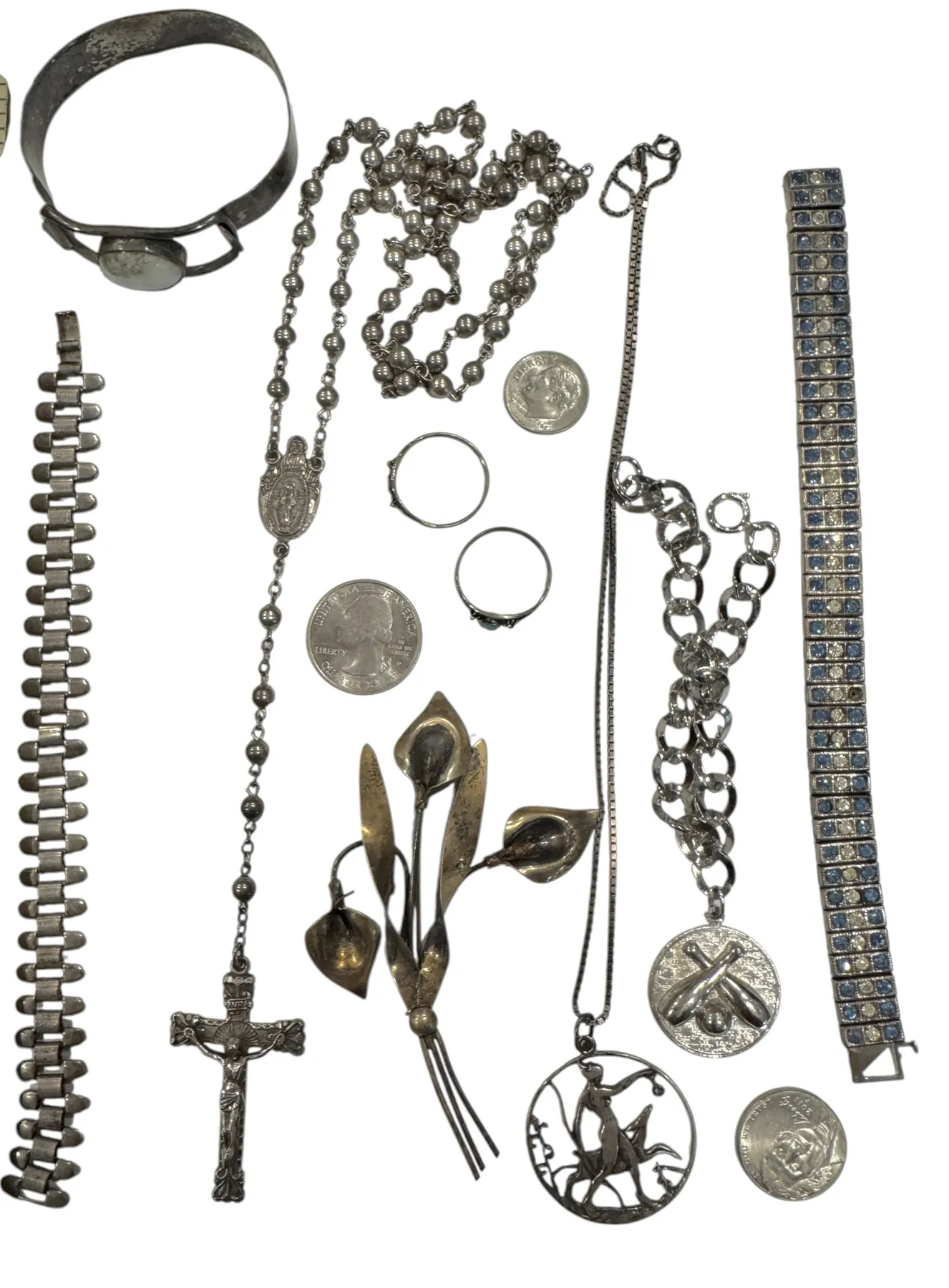
How to Sell Antiques Without Losing Value
How to sell antiques without losing value: what to photograph, what not to clean, and when auction, consignment or appraisal makes sense.
Read the guideHow to Prepare for an Estate Auction
An eight-step guide to preparing estate contents for auction, from protecting records and sorting property to cataloguing and sale day.
Read the guideShare this entry
If you want to be among the first to be notified of fresh auctions, click here.