Estate planning
How to Sell Inherited Art Without Rushing
Before a painting, print, drawing, or sculpture leaves the house, preserve the details that tell its story and give the right works a fair review.

Inherited art can be easy to underestimate. A painting may have hung over a sofa for decades. A folder of prints may be tucked into a guest-room closet. A sketch may be signed in a way nobody can read. When a family is working through a home on a deadline, it is tempting to sort art into only two groups: the pieces someone wants and the pieces that need to go.
That is usually too quick. Art can carry family meaning, local history, documentation, and a potential buyer audience, sometimes all at once. The first goal is not to guess a price from a photograph. It is to protect the physical work and the information around it before anyone cleans, reframes, distributes, donates, or sells it.
1. Pause before you move, clean, or separate the art
Start by making one protected review area for paintings, works on paper, photographs, prints, sculpture, portfolios, sketches, and any related paperwork. Keep the space dry, secure, and out of the path of moving boxes, donation bags, and general cleanout work. If a work is already on the wall, leave it there until you have a reason to move it. If it must come down, carry it from the frame, not by a wire or the edge of the canvas.
Do not use household cleaner, furniture polish, glass spray, tape, staples, or a damp cloth on artwork. Do not take a painting out of its frame just to inspect it. A dusty frame, a yellowed varnish, a small tear, or an old label may all need context before someone tries to improve the appearance. The Smithsonian’s collections-care guidance is a useful reminder that different materials require different care, not one home remedy.
As you work through the home, keep pairs and groups together. A group of small prints, a portfolio of drawings, a set of related photographs, or paintings from the same room can reveal more than one item viewed in isolation. A handwritten note, old receipt, exhibition label, gallery card, or folded paper behind a frame belongs with the work until it has been reviewed.

2. Photograph the front, back, frame, and details
Good photographs make the first conversation far more useful. Begin with one full image of the work straight on, then take close-ups of any signature, title, date, inscription, label, stamp, inventory number, gallery sticker, damage, or unusual mark. Photograph the back of a painting and the back of the frame as well. For sculpture, capture every side and the underside if it is safe to do so.
Take a wider photograph of the wall, shelf, or room where the work was found before the space changes. That image can preserve helpful context about how the family displayed or grouped the work. Then give each piece a simple working number in your notes, such as “living room painting 1” or “blue portfolio 3.” You are not creating a museum catalog. You are making it possible to match the art, its paperwork, and the family’s decisions later.
Write down what you know without filling in gaps. Note a name the family uses for the artist, where the work came from, whether it was bought from a gallery, and whether there is an insurance schedule, old appraisal, or correspondence. Family stories can be important clues, but a clear note that says “believed to have been purchased in Gloucester in the 1970s” is more useful than turning a guess into a fact.
For a group of works, keep one simple folder of the photographs and notes. Include the date you took the pictures, the room where the work was found, and the location where it is now being stored. This helps when several family members are involved, when a work needs an in-person look later, or when the estate has to be cleared in stages. It also gives you a better record if a frame, label, or work on paper is separated accidentally during moving.
3. Look for provenance and condition clues, not shortcuts
Provenance is the documented history of a work: where it came from, who owned it, when it was exhibited or sold, and the records that travel with it. It can include invoices, gallery labels, auction catalogs, collection inventories, restoration records, old photographs, letters, and notes from the artist or prior owner. Not every work has a long paper trail, and a missing paper trail does not make a piece worthless. It simply means the review should start with what is actually present.
Look for observable details first. Does the artist’s name appear on the front or back? Is there a label from a Cape Ann gallery? Is the work oil on canvas, watercolor on paper, a print, a photograph, or a decorative reproduction? Is the frame original to the work? Are there tears, flaking paint, water marks, foxing, mold, or a loose canvas? These are details to record, not problems to solve alone.
A signed work is not automatically valuable, and an unsigned work is not automatically unimportant. Style, subject, quality, condition, size, and the right buyer audience all matter. That is especially true around Cape Ann, where local art, marine scenes, artist circles, and estate histories can call for more careful identification than a quick online image search can provide.

4. Confirm who can make decisions before art leaves the property
Art can carry enough sentiment that family decisions and estate responsibilities become tangled quickly. Before a work is claimed, moved, gifted, or sold, confirm who has the authority to decide and how the family will document the decision. For a homeowner who is downsizing, that may be straightforward. After a death, it may involve an executor, personal representative, trustee, attorney, or multiple heirs.
For Massachusetts estates under formal administration, the Probate and Family Court describes the personal representative’s responsibility to inventory estate property in its estate administration guidance. Clearing rooms is not the same as completing that responsibility. When authority is unclear, pause and obtain the right legal advice before a painting is distributed or sold.
A small record can prevent a big disagreement. Keep a list of works that are staying with family, works awaiting review, and works that may be sold. Add a photo, the working number, and a note about the decision. This gives everyone a shared reference point and keeps an old family favorite from being mistaken for a donation piece in the rush to empty a house.
5. Know when a formal appraisal is needed
A preliminary sale recommendation and a formal appraisal serve different jobs. A sale recommendation can help decide whether a work may suit auction, consignment, direct purchase, family ownership, or another route. A formal appraisal is a documented opinion of value prepared for a specific purpose, such as estate administration, insurance, a tax matter, or division among heirs.
The Internal Revenue Service explains that personal-property valuation relies on relevant market information and comparable sales around the valuation date in its personal property valuation guidance. That is why an old insurance figure, an online asking price, or a similar-looking image is not enough when written documentation matters. Start by being clear about the decision you need to make.
Consider an appraisal conversation when a work may be by a listed artist, has meaningful paperwork, appears in an established collection, is tied to a local artist or history, or needs a written value for an estate, insurance, tax, or legal purpose. Cape Ann Auction provides certified personal-property appraisals when a documented opinion is the right next step.

6. Match the sale path to the work and the timeline
There is no single best place to sell inherited art. A work with a strong artist, subject, provenance, or collector audience may benefit from research, cataloging, photography, and competitive bidding. An auction can create the right setting when several interested buyers may respond to the same work. Consignment can make sense when a work belongs in a more particular market or needs time to find the right buyer. A direct purchase can be practical for select material when speed and certainty matter.
Other works may be family keepsakes, decorative pieces with modest resale value, candidates for donation, or items with no practical market. That is not a failure. The useful question is not whether every frame in the house is valuable. It is whether the pieces with the best chance deserve a calmer review before the house moves forward.
It is reasonable to ask a prospective buyer or auction house what makes a work a fit for their audience. Ask whether the piece needs a closer inspection, whether the frame affects how it will be handled, how comparable material has been presented in the past, and which costs or responsibilities stay with the estate. A proposal that separates the strongest material from the ordinary contents is usually more useful than one broad answer for the entire house.
Ask how the work would be identified, photographed, cataloged, marketed, stored, insured, and delivered to the buyer. Ask what the sale timeline looks like and what will happen if a work is not a fit. Massachusetts publishes an auction guide for beginners that explains the basic terms a seller should understand before committing. A clear explanation is more valuable than a fast promise.
How Cape Ann Auction helps with inherited art
Cape Ann Auction starts with the work in front of you, not a blanket promise about every object in the home. The team can review photographs, identify art, Cape Ann material, jewelry, silver, coins, books, documents, and collections that may deserve a closer look. From there, they explain whether auction, consignment, direct purchase, an appraisal, or another route makes sense for the material and your timeline.
For a larger estate, begin with the estate-auction preparation guide so records and review items are protected before general sorting begins. The guide to selling antiques without losing value is also useful when art is part of a broader collection with furniture, silver, books, or decorative objects.
When you are ready, send a few well-lit photographs of the front and back of the work, close-ups of signatures or labels, related paperwork, the property location, and the real deadline. Request a free assessment to talk through the next step.
A quick checklist before you sell inherited art
- Pause the cleanout. Put art, portfolios, and related paperwork in one protected review area.
- Photograph first. Record the front, back, frame, labels, signatures, condition, and room context.
- Keep the evidence together. Save labels, receipts, gallery cards, old appraisals, correspondence, and family notes with the work.
- Do not clean or repair it yourself. Record condition and wait for a qualified recommendation.
- Confirm authority. Make sure the appropriate person can approve a family distribution or sale.
- Choose the sale route after review. Match auction, consignment, direct purchase, appraisal, donation, or family ownership to the individual work.
- Keep the final record. Save photographs, agreements, appraisals, sale results, and payment records with the estate papers.
Frequently asked questions
Questions before you decide.
Should I clean inherited art before selling it?
No. Do not use household cleaners, remove a work from its frame, repair tears, or cover marks with paint. Photograph the front, back, frame, labels, and condition first, then ask a qualified specialist what preparation is appropriate.
How do I know whether inherited art needs an appraisal?
A formal appraisal is useful when a written value is needed for estate administration, insurance, a tax matter, division among heirs, or another documented purpose. A preliminary sale review can help identify which works deserve that next step.
Can I sell inherited art before probate is complete?
Do not assume you can. Confirm who has authority to make decisions for the estate before art is divided, moved, or sold. When the estate is under administration or the family is unsure, get guidance from the appropriate legal professional first.
Where is the best place to sell inherited art?
The best route depends on the artist, subject, condition, provenance, buyer audience, and the time available. A work with a collector audience may benefit from research, cataloging, and competitive bidding. Other works may fit consignment, direct purchase, family ownership, donation, or another practical path.
Related guides
More help before the estate moves.

What to Do With Inherited Antiques
A practical first plan for inherited antiques, art, jewellery and collections before anything is cleaned, divided, donated or sold.
Read the guide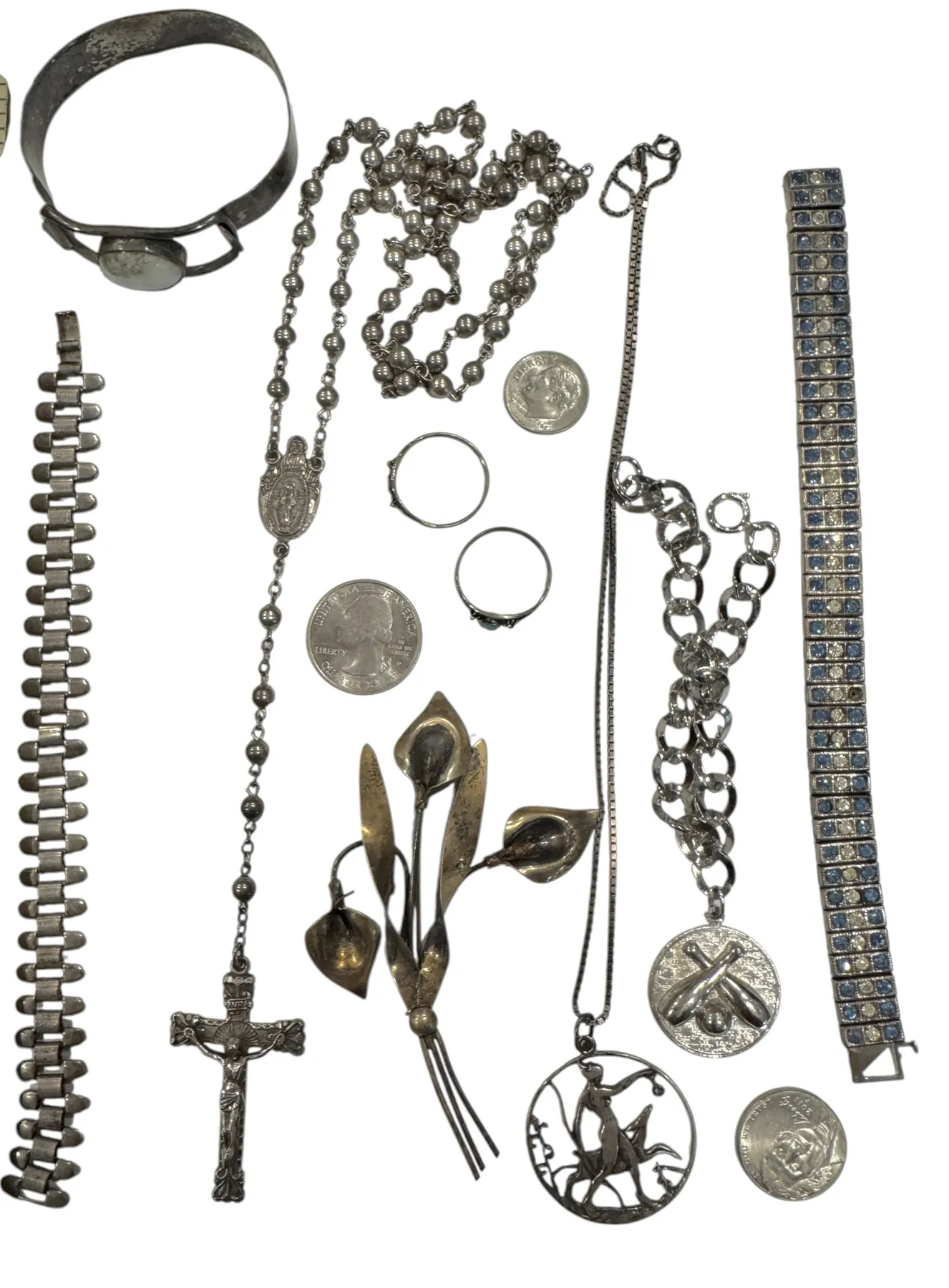
How to Sell Antiques Without Losing Value
How to sell antiques without losing value: what to photograph, what not to clean, and when auction, consignment or appraisal makes sense.
Read the guide
How to Sell Inherited Jewelry: A Careful First Plan
How to sell inherited jewelry without rushing: protect the details, decide what needs an appraisal, and choose a sale path that fits.
Read the guide
How to Prepare for an Estate Auction
An eight-step guide to preparing estate contents for auction, from protecting records and sorting property to cataloguing and sale day.
Read the guideShare this entry
If you want to be among the first to be notified of fresh auctions, click here.