
Estate sale planning
How to Organize and Prepare for a Successful Estate Sale
A successful estate sale starts before the first price tag. Protect what matters, sort the house in the right order, then choose the sale plan that fits the property.

Preparing an estate sale can feel urgent. There may be a home sale, a move, probate, several family members, or years of belongings to work through. The instinct is often to start clearing rooms immediately. That is how important papers, family photographs, small valuables, and items with real market value get mixed into boxes before anyone has had a chance to look closely.
A better plan is simple: protect what cannot be replaced, make a calm first sort, then decide what should be sold, donated, removed, or kept. An estate sale can be a useful part of that plan, but it works best when it follows a thoughtful review of the house rather than replacing one.
Start with the people, the deadline, and the property
Before anyone begins taking items, make sure the people involved agree on who can make decisions. If there are heirs, an executor, a trustee, an attorney, a real estate agent, or a pending closing, write down the basic timetable and the person who has final approval. A decision is much easier to discuss before a room is empty.
Then take a few wide photographs of each room, including closets, cabinets, basements, garages, workshops, sheds, and attics. These are not a substitute for a formal inventory, but they preserve useful context and make it easier to remember where an item was found. Secure keys, mail, medication, and any private areas before a sale crew, movers, or buyers enter the home.
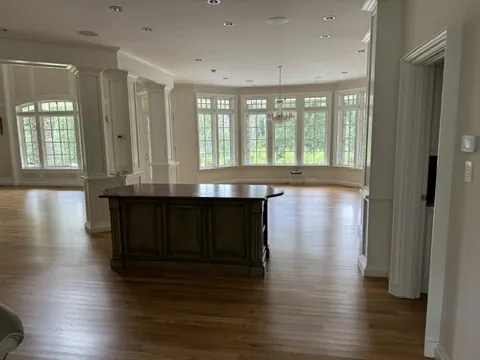
Make a protected review area before sorting
Choose one table, closet, or locked room that will not be used for donation bags, trash, or moving boxes. This is the review area. Put anything uncertain there until it has been discussed or examined by the right person. A separate review area prevents the false choice between keeping everything and moving too fast.
Start with documents and small, portable items. Look through desks, cabinets, books, coat pockets, handbags, sewing boxes, tool chests, old albums, attic boxes, and the back of closets. Set aside wills, deeds, tax records, insurance papers, bank information, family letters, photographs, jewelry, watches, coins, medals, silver, signed art, old books, labels, receipts, and locally connected objects.
Keep related information with the object whenever possible. A watch should stay with its box or paperwork, a painting with its label or writing on the back, and a set of flatware with the pieces that belong together. Those small details can help explain what an item is and where it belongs.
Sort each room into practical destinations
Once the first review pass is complete, work one room at a time. Use plain categories: keep, review, sell, donate, and dispose. Label boxes clearly, and keep a simple phone note or written list for major decisions. This makes it easier for everyone involved to see what has been decided and what still needs attention.
| Destination | Use it for | Next step |
|---|---|---|
| Keep | Family keepsakes, practical belongings, and items someone is entitled to receive. | Label the recipient or storage destination before it leaves the house. |
| Review | Anything signed, unusual, small, locally connected, or accompanied by paperwork. | Photograph it, keep related material together, and ask for an informed opinion. |
| Sell | Items with a realistic resale path, from useful furnishings to collector material. | Choose an estate sale, auction, consignment, or direct purchase based on the item and timing. |
| Donate | Clean, usable goods that are not needed by the family and do not merit a sale effort. | Confirm the receiving organization accepts the items before loading a vehicle. |
| Dispose | Broken, unsafe, expired, or unsanitary material with no practical next use. | Use the correct local channel for appliances, chemicals, electronics, and other regulated items. |
Do not let the piles become too large. Move completed donation, disposal, and keep groups out of the room before beginning the next category. Then do one second look through shelves, drawers, and surfaces. A steady room-by-room method is less stressful than trying to solve the whole house at once.
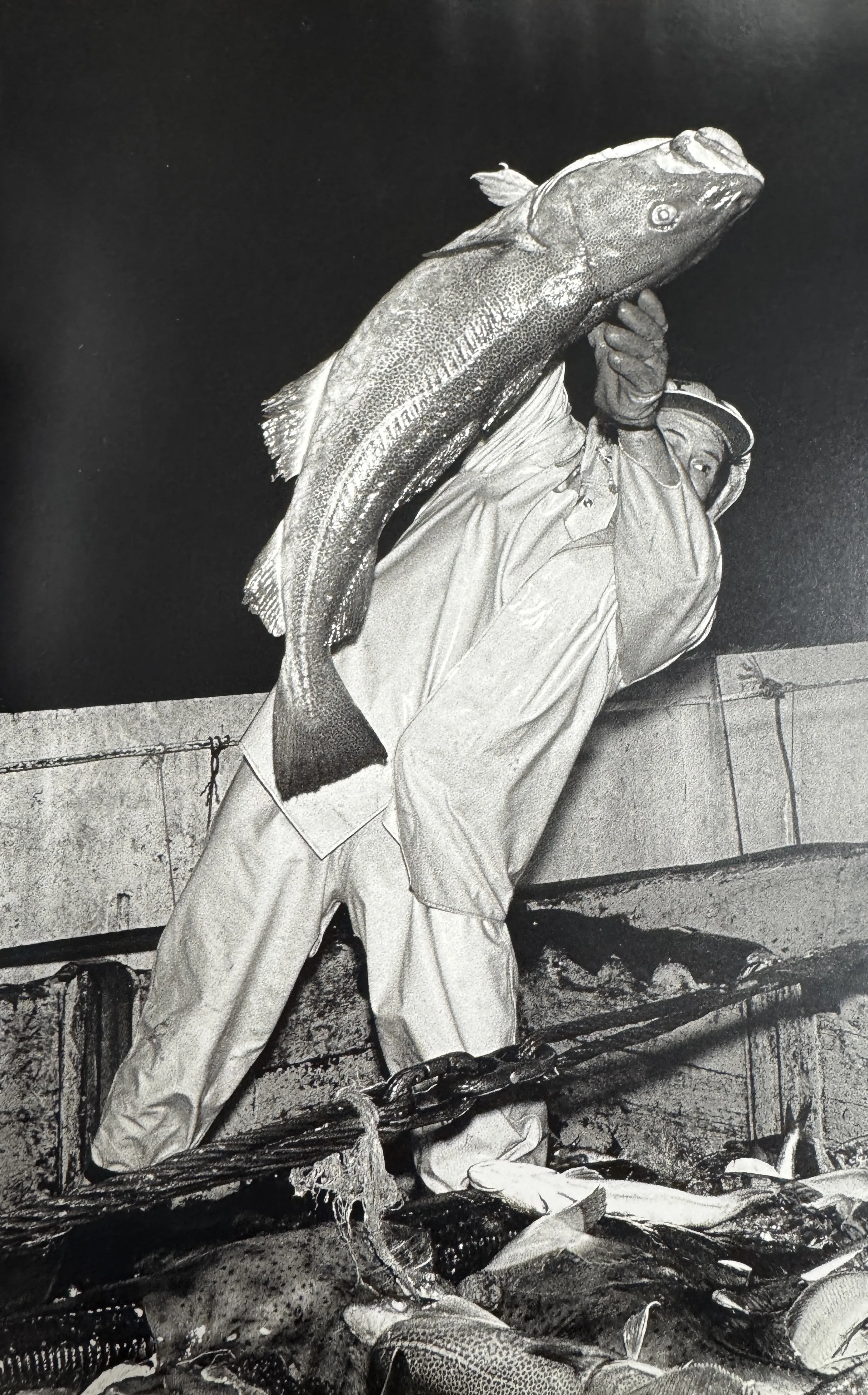
Pause before cleaning, repairing, or pricing valuables
Some objects look ordinary until their details are examined. Do not polish silver, clean paintings, repair furniture, remove labels, discard boxes, or split a collection into individual items before it has been reviewed. The condition of a surface, a handwritten note, a pair of objects, or an old receipt can all matter.
It also helps to separate the question of value from the question of labor. A cleanout crew may be exactly the right solution for mattresses, damaged furnishings, and ordinary household contents after the review is complete. It is not automatically the right first call for a house that includes art, jewelry, coins, books, historic documents, maritime material, or a focused collection.
When a documented value is needed for an estate, insurance, a division, or another formal purpose, start with a certified appraisal. For a preliminary decision about what should be handled with greater care, Cape Ann Auction can help families identify material worth a closer look before the house is cleared.
Choose the estate sale format after the sort
An estate sale can be a practical way to move useful furnishings, kitchenware, tools, decor, and broad household contents within a short window. Buyers can see the items in the home and take purchases away that day. But an estate sale is not automatically the best route for every item.
Art, jewelry, coins, antiques, books, maritime pieces, and other specialist material may benefit from research, photography, cataloging, and a bidder audience. Some estates need both approaches, plus a direct purchase, consignment, donation, or cleanout plan for the remaining contents. The goal is not to force every item into one sale method. It is to give the stronger material a fair chance before the practical work of clearing the property begins.
For a closer comparison, read our guide to estate sales versus auctions. If the property has a defined deadline, the Gloucester estate-sale service explains how Cape Ann Auction can help plan around the home, timing, and material.
Prepare the house for a smooth sale day
Once the sale plan is set, remove the items that are staying, make sure the review area is secure, and keep private records out of public spaces. Make clear pathways through the home, check lighting, and identify rooms that should remain closed. If there are large furniture pieces, fragile objects, stairs, or tight access points, decide how they will be handled before buyers arrive.
Ask for the practical details in writing. The plan should explain who is pricing and staffing the sale, how the items will be presented, what happens to unsold contents, how payments and pickup are handled, and when the final walkthrough takes place. A clear plan protects the family and keeps the sale focused on the work at hand.
After the sale, walk every room, drawer, closet, outbuilding, and storage area before anyone leaves. Confirm that keys, remotes, records, and the items reserved for family members are where they belong. Keep estimates, invoices, sale records, donation receipts, and any appraisal documents together with the estate papers.
Get help before the important parts disappear
Estate sales are easier when the family has a clear order of operations. First protect the papers, people, and objects that need a closer look. Then decide what should be sold and what needs an efficient exit. That sequence gives everyone more confidence and reduces the chance that a rushed cleanout becomes an expensive regret.
Cape Ann Auction helps families across Cape Ann and New England assess estate contents, identify material that may benefit from auction or another sale route, and make a practical plan for the property. To begin, share a few clear photographs, the property location, and the deadline through our estate assessment form.
Frequently asked questions
Before the estate sale begins.
What should I do first when preparing for an estate sale?
Start by confirming who can make decisions, the property deadline, and which family items need to stay. Before pricing or removal begins, set aside documents, photographs, jewelry, coins, signed art, watches, old books, labels, and anything that may need a closer review.
Should I clean antiques before an estate sale?
Usually, no. Do not polish silver, clean paintings, remove labels, repair furniture, or separate a collection until it has been reviewed. Condition, markings, provenance, and groups of related items can all affect how an object should be handled.
Can an estate sale and an auction be used together?
Yes. A mixed estate may need more than one sale route. Useful household contents can suit an on-site estate sale, while art, jewelry, coins, books, maritime material, or a focused collection may benefit from cataloging and competitive auction bidding.
When should I ask for an appraisal before an estate sale?
Request an appraisal when you need a documented value for an estate, insurance, tax, division, or another formal purpose. An early assessment can also help identify items that deserve a different sale path before the house is cleared.
Related guidance
Make the next decision easier.
Estate Cleanout Checklist
A room-by-room order for protecting the items that need attention before removal begins.
Read the checklistEstate Sale vs. Auction
Understand when a broad household sale, competitive bidding, or a combination makes more sense.
Compare the options