
Collecting and appraisal guidance
Estate Sale Furniture Tips: What to Check First
Before a house is cleared, give its furniture a calm first pass. The goal is not to treat every chair as an antique. It is to keep the details that may matter from disappearing too soon.

Furniture is often the hardest category to sort in an estate. It fills rooms, it may be needed for a move or a real-estate deadline, and relatives often remember the pieces differently. That pressure can lead to quick decisions: a dresser is put at the curb, a dining set is split up, or a well-made chair is refinished before anyone has photographed it. Most household furniture will not have a large collector market. Still, the small percentage that deserves a closer look is easy to miss once the room is empty.
These estate sale furniture tips are meant to make the first decision easier. Start by protecting the furniture, its story and its evidence. Then separate the pieces that warrant research from the ordinary, useful pieces that can move through a practical sale, donation or cleanout plan. A measured first pass saves time later and gives every meaningful piece a fair chance to reach the right audience. It also gives a family a calmer, more confident basis for decisions that can otherwise feel rushed and irreversible.
1. Pause before you move, clean or divide anything
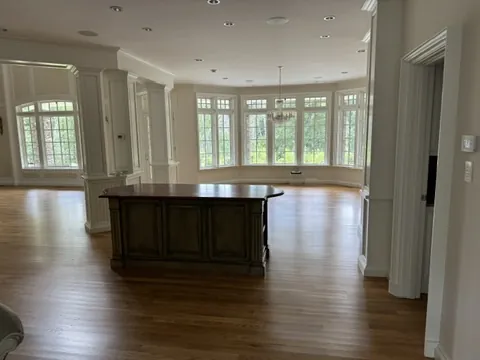
Begin with a room-by-room look before movers, family members or a cleanout crew starts relocating pieces. Take wide photographs that show where the furniture was found, then take an image of each substantial piece from the front, side and back. Include a matching chair set, a dining table with leaves, a bedroom suite and any piece that appears to have belonged with a painting, rug, mirror or family photograph.
Keep original hardware, keys, shelves, leaves, glass panels, cushions and loose labels with the furniture. A chest without its key may still be useful, but a key, maker tag or original shelf can help identify what it is. The same is true of receipts, old insurance schedules, restoration invoices and handwritten notes. They may not prove value on their own, but they can preserve a trail that disappears when a home is emptied.
Do not start with a heavy polish, furniture oil, paint, stripping or a home repair. The Smithsonian’s furniture preservation guidance notes that handling should be limited and that many traditional cleaning and polishing products can cause harm over time. Dusting carefully is one thing. Changing the surface before it has been reviewed is another.

2. Look for clues, not just age
Age alone does not make furniture valuable. A heavy dark dining room set may be older than a clean-lined mid-century cabinet, but either one could be common, well made, historically interesting or worth a closer look depending on maker, design, condition and market demand. Start with what you can observe rather than guessing a period or price.
Check drawer interiors, backs, undersides and the lower edges of case furniture for paper labels, stamps, carved names, handwritten inventory numbers and branded hardware. Look at construction: solid wood, a carefully fitted drawer, veneers, unusual inlay, hand-cut joinery and a matching set can all be useful clues. So can a label from a retailer, manufacturer or a local cabinetmaker. Photograph every mark before it is cleaned or rubbed.
Condition matters, but originality can matter too. A stable old finish, a minor scratch or an honest worn edge is not automatically a reason to refinish. Conversely, loose joints, insect damage, water damage, missing veneer, odor and unstable upholstery all affect how a piece can be used, moved and sold. Record the condition plainly. A good description is more useful than a hopeful one.

3. Photograph the details that make comparison possible
For furniture that seems promising, take one complete photograph in good light and then document the evidence: the maker label, hardware, drawer construction, feet, joinery, veneer, inlay, finish, damage and dimensions. A photo of a six-drawer chest does not tell a reviewer whether it is a compact tall chest or a broad dresser. Measure height, width and depth, and note whether a dining table has leaves or a secretary has an interior fitted with drawers and cubbies.
Photograph a pair or set both together and separately. For an extension table, include the leaves and the mechanism. For an upholstered chair, include the fabric, underside and any tag, then note odors, tears and loose springs honestly. For a cabinet or desk, show both the exterior and the interior. A reviewer cannot make a final determination from photographs alone, but complete images make it much easier to tell whether the furniture needs a closer in-person look or can move forward in the estate plan.
A neutral wall or sheet behind a smaller piece can help show its outline. For a large piece, avoid forcing it into the middle of a crowded room just for a photograph. Capture it safely where it stands. Do not remove a mirror, marble top or fragile gallery unless it is already secure to move. The National Park Service’s curatorial guidance for wooden objects also stresses that dust is abrasive and attracts moisture, another reason to handle an older surface lightly.
Make a simple inventory as you go. You only need a few columns: room, item, dimensions, visible marks, condition, known history and photo folder. This record keeps family members aligned and makes an initial review much more productive. It also prevents the common problem of discovering that the only photo of a useful piece is a dark corner shot taken after half the room has already been moved.

4. Keep sets and context together
A single dining chair may be ordinary. Six matching chairs with their table, leaves and sideboard tell a different story. The same applies to a bedroom suite, a group of painted chairs, a desk with its bookcase, or a cabinet that has always held a family collection. Before separating a group, photograph it together and mark which pieces belong to it.
Context can be practical as well as sentimental. An old photograph that shows furniture in the house, a receipt from a local store, a maker’s label, a family note or a known connection to a Cape Ann home may help tell the piece’s story. That history does not guarantee a sale result, but it can make a later decision more informed. Keep copies of records with the inventory rather than taping papers to furniture or placing adhesive labels directly on finished surfaces.
When a room contains furniture alongside art, silver, books, documents or small valuables, make separate lists but do not lose the relationship among them. The same household may reveal a collecting pattern, a family history or a group that should be reviewed together. Our guide to old documents explains why the context around an object can be as important as the object itself.
5. Separate sale decisions from preservation decisions
A family can value a piece that the market does not, and a market can value a piece a family was ready to discard. Those are different questions. Decide first whether the goal is to keep a piece, divide it among family, sell it, donate it or clear the home. Then ask what information is needed for that choice.
A formal appraisal is generally used for a defined purpose, such as insurance, estate settlement, tax work or charitable donation. A sale assessment is a practical conversation about what is present and which route may suit it. Some furniture may be appropriate for catalogued auction lots, some for an estate sale, some for a grouped sale, and some for donation or disposal. The answer depends on quality, condition, scale, timing and the audience likely to care.
Take timing seriously. A property closing date, a move and a family deadline can change what is practical, but they should not force a rushed answer before the most important pieces have been identified. It is often possible to move, store or reserve a few items while the rest of the house keeps moving forward. A clear timeline also helps an auction house or appraiser explain what can be reviewed promptly and what information will be needed.
Be cautious with online asking prices. A high listing price is not a completed sale, and a superficially similar piece may differ in maker, condition, age, dimensions or completeness. If you compare examples online, use them to identify vocabulary and questions to ask, not as a final value. A clear record and an honest description will take you farther than a number copied from an unrelated listing.
6. Plan the move around the furniture, not through it
Once you have identified the pieces that need a closer look, protect them from an accidental cleanout. Put a simple note on the room list, tell the people handling the move and keep the photos and inventory accessible. Do not leave a likely review item in a curbside donation pile because it was not marked in time.
For fragile furniture, protect corners, glass, marble, mirrors and loose elements before moving. Avoid dragging legs across a floor or lifting a chair by a delicate rail. If a piece is structurally weak, do not sit on it to test it. A conservator or qualified furniture restorer may be the right person when stabilization is needed. The point is not to restore every old object, but to avoid turning a manageable condition issue into permanent damage.
If an entire estate is being sorted, use the same order throughout: secure small valuables and records first, photograph rooms, set aside anything with meaningful clues, then create the sale and cleanout plan. Cape Ann Auction’s estate-sale preparation guide offers a broader sequence for keeping the rest of the property on track.
A furniture first-pass checklist
- Photograph the room first. Record suites, sets and where they were found before pieces are moved.
- Check hidden areas. Look for labels, stamps, maker marks, hardware, joinery and original components.
- Measure promising pieces. Note height, width, depth, leaves, shelves, keys and loose parts.
- Do not refinish on impulse. Avoid stripping, painting, oiling, heavy polishing and repairs until you understand the piece.
- Keep groups together. Match chairs, tables, leaves, bedroom suites, cabinets and related records.
- Ask before clearing. Get an informed review when construction, design, history or condition suggests a piece deserves more attention.
Cape Ann Auction works with furniture, art, jewelry, coins, books, documents and the mixed contents of an estate. A few clear photographs, dimensions and any known history can start an appraisal conversation or an assessment request. The goal is simple: give the furniture that deserves attention enough time to be understood before the house is cleared.
Frequently asked questions
Before you move or sell estate furniture.
Should I clean old furniture before an estate sale?
Start with gentle dust removal and photographs. Do not strip, refinish, oil, polish heavily or repair a piece before you understand what it is. Original surfaces, labels and signs of age can matter to collectors and to an informed sale assessment.
What furniture should be set aside before an estate cleanout?
Set aside furniture with maker labels, unusual construction, original paint or finish, a matching set, family history, a notable design, fine veneers, unusual hardware or related receipts and photographs. It is easier to make a good decision before pieces are separated, donated or moved.
Do I need an appraisal for estate furniture?
A documented appraisal may be appropriate for insurance, estate settlement, tax work, charitable donation or a family division. If the question is how to sell, an auction-house assessment can help identify the pieces that need closer research and the sale route that fits the estate.
Related guidance
Keep the rest of the estate on track.
Furniture Auctions in Massachusetts
See how a thoughtful auction plan can help the right furniture reach an interested audience.
Explore furniture auctions
Certified Appraisals
Understand when an estate, collection or individual item needs a documented value.
Explore appraisal services