
Collecting and appraisal guidance
Inherited Coin Collection: What to Do First
The first job is not to name a price. It is to protect the collection, preserve its clues and give yourself room to make a sound decision.
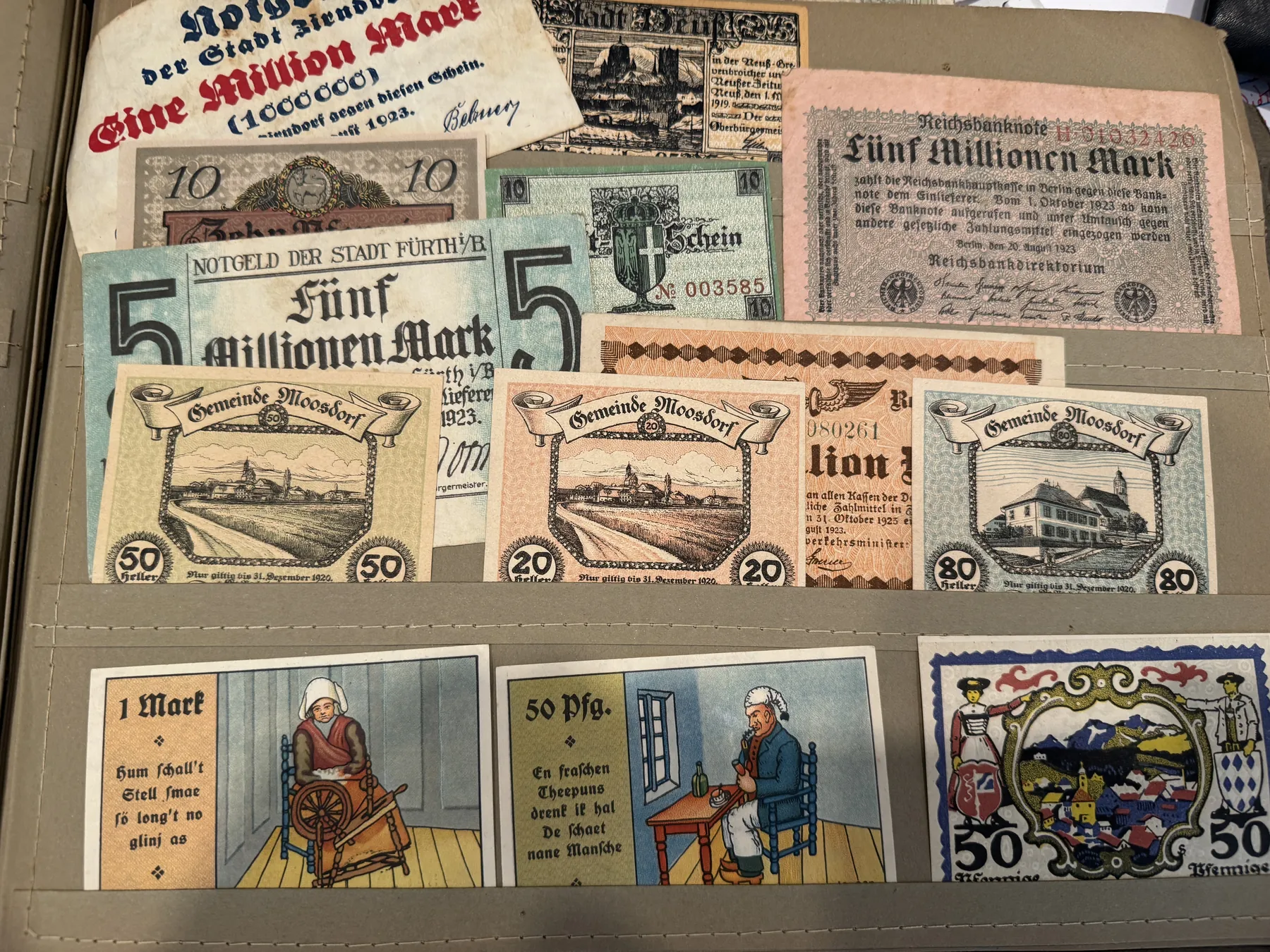
An inherited coin collection can look deceptively simple: boxes, albums, envelopes, tubes, folders, perhaps a few loose coins in a drawer. Yet a collection often carries the habits of the person who built it. The order of an album, the handwritten note in an envelope, an old receipt or an unopened mint set can all be useful. Before coins are divided among family, cleaned, spent, or offered for sale, give the collection a quiet first pass.
This is not a promise that every old coin is valuable. It is a practical way to avoid losing the information that helps distinguish ordinary material from pieces that deserve more care. The best first move is usually slow and simple: keep things together, photograph what is there, and learn enough to ask the right person the right question.
1. Pause before you sort, clean or sell
Leave the collection substantially as you found it. Do not pour loose coins into a new container, take coins out of labelled holders, remove them from albums, or separate a set because a few pieces look more interesting than the rest. A sequence can reveal what a collector was trying to complete. A paper flip, envelope, old holder, receipt or catalogue may contain a date, grade, purchase price or identification that would be hard to recover later.
Cleaning is the most common costly mistake. The U.S. Mint advises handling coins by their edges over a soft surface and notes that polishing or cleaning can reduce value. Its coin-care guidance also recommends keeping coins cool and dry, away from storage materials containing PVC. What looks like harmless tarnish or dirt can be part of a coin's original surface. Once that surface is altered, an expert may be able to see the change even if the coin looks brighter to an untrained eye.
There is no need to turn the dining table into a coin laboratory. Secure the collection where it cannot be misplaced, and wait to make changes until you know what those changes might cost.
If you must move a few loose coins for safety, work over a clean towel or soft pad and pick them up by the edge. Avoid rubber bands, tape, loose plastic bags, paper clips and ordinary household cleaners. Keep the original container with the coins even if it looks worn. A plain old envelope may be more useful than it appears if it carries the owner's notes or groups pieces that were meant to stay together. Photograph the container before relocating anything.
2. Make a simple record while everything is together
You do not need to identify each coin before you make a useful record. Start with broad photographs: the box or safe deposit contents, each album cover, trays, envelopes and any written inventory. Then photograph groups of coins and close-ups of labels, dates, mint marks, certificates, receipts and unusual pieces. Take both sides of a coin when practical, but do not handle it more than necessary.
Write down where the collection was found and any family story that came with it. Was the owner a lifelong collector, a traveller, a veteran, a dealer, or someone who saved silver and proof sets? Were certain pieces displayed, insured or mentioned in a will? These details do not establish value by themselves, but they help preserve context. They are also useful when several heirs need a shared picture of what exists before decisions begin.
Keep the record plain: one photo folder and a short list of containers is enough. Avoid writing directly on original holders. If you need to label a group, place a separate note beside it. The point is to create a map, not to reorganize the collection.
3. Learn what details change the conversation
Coin value is rarely determined by age alone. Dates, mint marks, denomination, metal, condition, rarity, authenticity and demand all matter. A worn silver coin may have one kind of value, while a well-preserved example of a more common date may appeal to a different buyer. A coin that appears ordinary can also be part of a scarce variety, and a visually impressive piece may be common or damaged. That is why a quick internet price or an asking price on a marketplace is not a dependable valuation.
Look for information, not conclusions. Notice whether a coin is housed in a sealed grading holder, an album, a cardboard flip or a plastic tube. Note visible dates and letters, but do not scrape, rub or magnify the surface so aggressively that it gets damaged. Keep proof sets, commemorative sets, world coins, medals, tokens and paper money separate from one another only if they were already stored that way.
The nonprofit American Numismatic Association points families toward preserving the collection, creating an inventory, assessing value and finding buyers before choosing a disposition. Its estate-guide overview is a useful reminder that an inherited collection can be kept, sold, donated or divided, and that each choice needs different information.
Be especially careful with shortcuts that make a collection sound easy to price. A silver dollar, a gold coin, a wheat cent, an old foreign coin or a commemorative set may all have a recognisable category, but category alone is not a conclusion. The date may be common or scarce. A visible letter can be a mint mark, an initial or damage. A holder can be useful evidence, but it is not a substitute for understanding what it contains. If a family member has already made a list, preserve it alongside the coins rather than treating it as a final valuation.
4. Know when condition needs expert eyes
Condition is not merely whether a coin looks shiny. Wear, scratches, cleaning, corrosion, staining, bends, repairs and altered surfaces can all affect how a coin is described and whether it can receive a normal numerical grade. The grading service NGC explains that harsh or unskilled cleaning can lead to a Details Grade rather than a numerical grade, and that the damage is not simply undone later. Its guide to grading details illustrates why a well-meant wipe, polish or chemical treatment can become part of the coin's permanent story.
That does not mean every coin needs formal grading. It means condition should be treated as evidence, not a flaw to correct at the kitchen sink. Avoid guessing from a photograph that a coin is rare, counterfeit, cleaned or uncleaned. A knowledgeable review can help decide whether a piece needs more research, a formal appraisal, grading, an auction audience or a straightforward grouped sale.
5. Decide whether you need an appraisal or a sale plan
People use the word appraisal for several different needs. If an executor, insurer, attorney, accountant or family agreement requires a documented value, ask what type of report is required before ordering one. An insurance value, an estate value and a likely auction result are not interchangeable. A formal appraisal is a written opinion made for a defined purpose. A sale assessment is a practical review of what the material is and how it may best be sold.
For a collection that may be sold, the important first question is usually not, "What will you give me for this?" It is, "What is here, and what sale route gives the meaningful parts of this collection an appropriate audience?" Some coins work best as individual lots. Others belong with a set, a date run, a group of silver or a collection of world material. Common material may be sensible to sell in groups. Splitting everything before that decision can create work and remove context without improving the result.
If the collection is part of a larger estate, make sure coins, paper money, medals, jewellery, watches, documents and small boxes are set aside before a cleanout. The same principle applies to the rest of the property: use the estate-sale preparation guide to keep records and overlooked areas from disappearing too early.
When more than one person has an interest in the collection, agree on the process before anyone chooses favourites. Shared photographs and a simple inventory make the conversation calmer. A family may decide that certain pieces stay together, that one person keeps a sentimental item at an agreed value, or that a sale is the cleanest way to divide proceeds. The right answer is personal, but the information should be shared before the collection is altered or split.
6. Choose the sale route after the review
There is no single correct way to sell an inherited collection. A strong collection with identifiable highlights may benefit from cataloguing and competitive bidding. A specialised group may need a knowledgeable collector audience. A smaller or mostly common accumulation may make more sense as grouped lots or a direct purchase. The right choice depends on what is present, its condition, the documentation, the sale timeline and the audience likely to care about it.
Be cautious about the first unsolicited offer, especially when no one has made an inventory or taken photographs. A good review should explain the basis for its recommendation, not pressure you to decide on the spot. It is reasonable to ask what will be evaluated, whether a formal appraisal is needed, how costs work, and whether a sale would treat the collection as one group or separate lots.
Cape Ann Auction works with coins, paper currency, jewellery, books, documents, art and estate collections. For families in Massachusetts and the greater Boston area, a few clear photographs and any known paperwork can start an appraisal conversation or an assessment request. The goal is not to force every collection into an auction. It is to identify what deserves attention and recommend the path that fits the collection and the family.
Allow enough time for the first conversation. A rushed real-estate deadline does not make it wise to clean coins, throw out empty-looking holders or accept a quick offer without a record. If the property must be cleared, protect the collection first and make a separate plan for it. A measured review can happen alongside the larger estate process, rather than becoming one more decision made under pressure.
A first-week checklist
- Secure it. Keep the collection in a safe, dry place and limit handling.
- Keep it together. Preserve albums, envelopes, holders, labels, receipts and related paper money.
- Photograph it. Record containers, groups, labels, dates and unusual pieces before anything moves.
- Do not clean it. No polishing, rubbing, dipping, brushing or home repairs.
- Set aside the small things. Coins, medals, watches, jewellery and paperwork should not be lost in a larger cleanout.
- Ask for the right review. Decide whether you need a documented appraisal, a sale assessment or simply help identifying the next sensible step.
Frequently asked questions
Before you make a decision about inherited coins.
Should I clean inherited coins before having them reviewed?
No. Do not polish, dip, brush, rub or try to improve their appearance. Cleaning can alter a coin's surface and can make it harder to assess. Keep each coin in its existing holder where possible, and ask before doing anything beyond careful handling.
Are old coins automatically valuable?
No. A coin's age is only one detail. Rarity, date, mint mark, condition, metal content, authenticity and current collector demand all matter. An ordinary old coin can be worth little beyond its metal or face value, while an overlooked variety or well-preserved piece may deserve much closer attention.
Should an inherited coin collection be sold together or one coin at a time?
It depends on what is in it. A carefully assembled set, a group of high-interest coins, or a collection with useful records may benefit from more individual attention. Common accumulations may make more sense as grouped lots. A review should come before the collection is broken apart.
When is a formal appraisal necessary for coins?
A formal appraisal may be appropriate for estate settlement, insurance, tax, charitable donation, division among heirs or another situation that needs a documented value. A sale assessment serves a different purpose: it helps identify the material and recommend a sensible selling path.
Related guidance
Keep the rest of the estate on track.
Certified Appraisals
Understand when a documented value is useful for an estate, collection or individual item.
Explore appraisal servicesSell With Cape Ann Auction
See how auction, consignment, direct purchase and estate-sale planning can work together.
Explore selling options