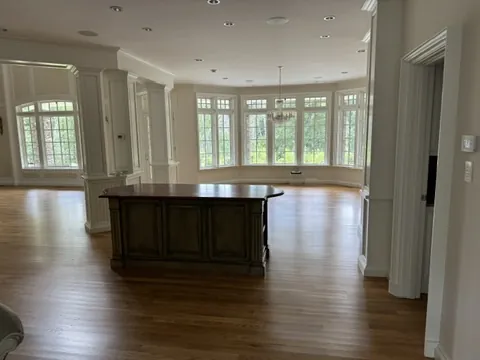
When a home or collection needs to move forward, Cape Ann Auction helps you make a clear plan before the important pieces disappear into the rush.
A thoughtful first step
Liquidating an estate starts with understanding what is there.
An estate can look like one large task: clear the rooms, meet the deadline and hand over the keys. But the practical decisions inside that task are rarely all the same. A painting may need a different audience than a dining room set. A group of coins, books or documents may be stronger together. Jewelry, silver and items with makers’ marks should not be mistaken for ordinary household contents simply because they were found in a drawer.
Cape Ann Auction helps Massachusetts families, executors and property owners make those distinctions before a property is emptied. We look at the estate as a whole, identify the material that may benefit from closer attention and explain the sale paths that fit both the property and the timeline. The goal is not to make every room complicated. It is to keep the important choices from becoming rushed guesses.
You do not need a finished inventory before reaching out. A few room photographs, close-ups of items that stand out and the dates you are working around are enough to start a useful conversation.
01Show the overall picturePhotograph each room before furniture is moved, then include close-ups of artwork, jewelry, silver, coins, books, documents, labels and signatures.
02Share the timingTell us about a closing, probate milestone, move, family division or other deadline so the options can be considered in the right order.
03Choose practical routesCape Ann Auction can explain whether auction, consignment, direct purchase, an on-site sale, cleanout coordination or a combination best serves the estate.
What deserves a pause
Before the cleanout, protect the details that can change the sale.
The most useful estate-liquidation decision often happens before anything is sold. Family members may be sorting under pressure, a mover may be scheduled or a property may be preparing for market. In that moment, it is tempting to separate every room into keep, donate and dispose. A more careful first pass adds one important category: review.
Set aside objects that are signed, marked, unusually well made or connected to old records. Look at the backs of paintings, the interiors of jewelry, the undersides of furniture and the drawers where labels, receipts or family notes may be hiding. Keep related objects together when possible. A set of silver, a run of books, an archive of correspondence or a group of coins can tell a clearer story together than it does as separate pieces.
That does not mean every old item needs a long appraisal process. It means the estate deserves enough attention to separate what has collector interest from what can move through a simpler route. Cape Ann Auction has been buying, selling, appraising and running auctions across New England since 1979. The team can give families a candid recommendation that respects the material and the need to keep the property moving.
Different material, different paths
Liquidation works best when the sale method fits the estate.
Auction for material with a buyer audience
Art, Cape Ann material, estate jewelry, watches, silver, coins, maritime antiques, books, documents, sports cards and strong collections may benefit from competitive bidding. The right audience can make a meaningful difference for the pieces that merit it.
Consignment or direct purchase for select property
A focused collection or individual item may be better served by consignment or a direct purchase, especially when timing, condition and the likely buyer pool call for a more direct route. Cape Ann Auction explains the tradeoffs plainly.
On-site sale and cleanout planning for the remainder
Ordinary household contents still need a practical route after the stronger and uncertain material has been reviewed. A coordinated plan can help the property move forward without treating every room as if it has the same market.
For families, executors and owners
A clear plan can make a difficult transition easier to manage.
Estate liquidation is often tied to a larger change: settling a family home, managing an inheritance, downsizing, preparing a property for sale or handling the responsibilities of probate. People do not always have the time or desire to become experts in every object they find. They need someone who can help sort the estate into sensible next steps.
Cape Ann Auction begins with the practical questions. What needs attention before it is moved? Which categories may deserve a specialist buyer audience? What has to happen by a certain date? What can be sold together, and what should be handled separately? Answers to those questions can make it easier to arrange pickup, an on-site sale or a cleanout without losing sight of the objects that should not be treated as an afterthought.
For a documented value needed for insurance, estate records or a family division, begin with a certified appraisal. For an estate where competitive bidding is the strongest route, see how estate auctions throughout Massachusetts can bring review, cataloging, promotion, pickup and payment into one plan. If an outright offer may be useful for selected material, explore estate-buyer options in Massachusetts.
What happens after the review
A good recommendation is the beginning of an organized next step.
Once the estate has been reviewed, the work becomes easier to sequence. Material selected for auction can be prepared for the appropriate sale and shown to interested bidders. Items that make more sense as a direct purchase or consignment can follow their own route. The household contents that remain can be planned around the property’s schedule, instead of determining the fate of the pieces that needed the most attention.
That order is especially useful when several people are involved. Families can set aside items they wish to keep, executors can document decisions, and the practical work of pickup or cleanout can move forward with less uncertainty. Cape Ann Auction’s role is to help turn a crowded property and a deadline into a sensible set of choices, with clear attention paid to the material that could otherwise be overlooked.
A few simple safeguards
Keep the best information with the estate.
Small details can be easy to lose when boxes are packed and rooms are emptied. A little organization before the work begins can make the review more useful.
01Photograph before sortingTake wide room views and close-ups before furniture, boxes or displays are rearranged. Context can help explain what belongs together.
02Keep records and accessories nearbyReceipts, certificates, keys, original boxes, furniture leaves and loose hardware can add useful context. Keep them with the related item when possible.
03Wait on cleaning and repairsDo not polish silver, strip furniture, clean coins or attempt repairs before a review. Original surfaces, condition and details may matter to the sale decision.
Frequently asked questions
Questions about estate liquidation in Massachusetts.
What does estate liquidation include?
Estate liquidation is the practical work of reviewing what is in a home or collection, choosing the right sale route for different categories, and making a plan for what remains. Cape Ann Auction can assess material for auction, consignment or direct purchase and coordinate an on-site sale or cleanout when that is the sensible next step.
Do you liquidate complete estates?
Yes. Cape Ann Auction works with complete estates as well as collections and select property throughout Massachusetts and New England. The starting point is a review of the estate, its location and its timeline, rather than a promise to put every item through the same sale method.
Should I empty the house before contacting an estate liquidator?
No. Photograph rooms before boxes are packed, furniture is moved or collections are divided. Keep signed, marked or documented objects with their related paperwork when possible. Those details can help determine what deserves separate attention before the rest of the property is cleared.
Can estate liquidation include an auction?
Yes. Competitive bidding can be a strong option for art, jewelry, silver, coins, books, documents, furniture and collections with a clear buyer audience. Other material may be better suited to direct purchase, consignment, an on-site sale or a practical clear-out plan.
How do I begin?
Send a few well-lit photographs of the rooms and items that stand out, along with the Massachusetts location and any dates that matter. Close-ups of signatures, hallmarks, labels, maker’s marks and old records are especially useful.
Start with a few photographs
Tell us what is there, where it is and what needs to happen next.