Art, regional work and maritime objects
Cape Ann art, paintings, drawings, folk art and maritime antiques can carry details of maker, place, condition and provenance that affect how they should be presented.
Massachusetts antique auctions
When an antique, collection or estate has the right buyer audience, Cape Ann Auction helps it reach more than the first person ready to make an offer.
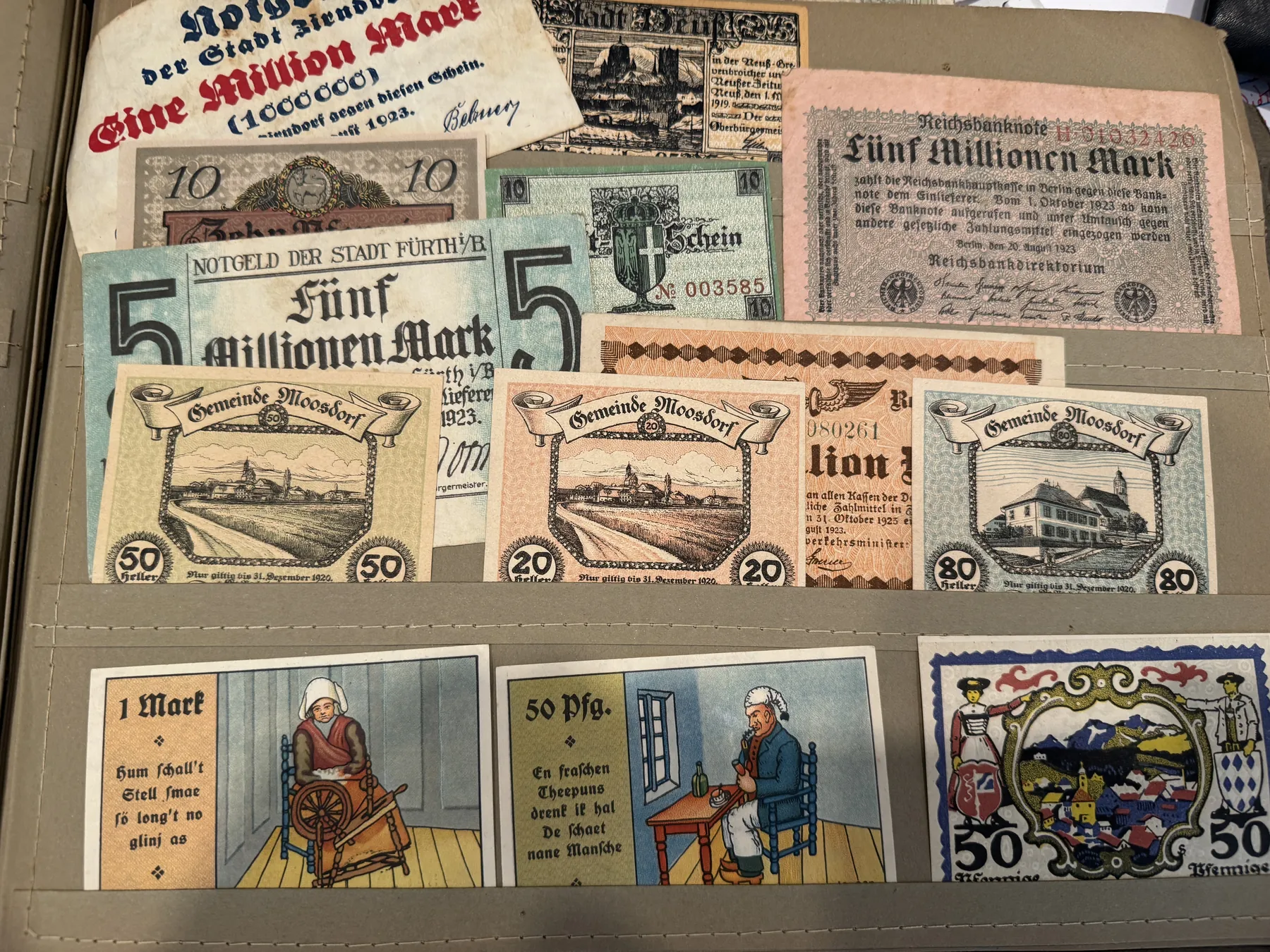
Start with the material
People searching for an antique auction are often balancing two pressures at once. A collection needs to move, an estate has a deadline or a family is ready to make a decision, but nobody wants to learn later that a signed painting, coin group or overlooked object deserved a different path.
Cape Ann Auction reviews the material before setting a sale plan. That means looking at what is there, what belongs together and what kind of buyer is likely to care. Some items are best suited to an auction. Others may be a better fit for consignment or a direct purchase. A clear recommendation at the start keeps the strongest opportunities from getting lost in a quick cleanout or a one-size-fits-all offer.
A practical starting point
You do not need to research every item or build a finished inventory. A few useful photographs and the story around the material are enough to begin a worthwhile conversation.
Material worth a closer review
Cape Ann art, paintings, drawings, folk art and maritime antiques can carry details of maker, place, condition and provenance that affect how they should be presented.
Estate jewelry, watches, sterling and U.S. coin collections should be reviewed before they are sold by weight, divided casually or mixed into ordinary household contents.
Historic documents, old books, photographs, sports cards, comic books and related collections can have a stronger result when their connections and original context remain intact.
What makes a difference
A useful antique-auction review looks beyond a quick age estimate. An artist signature, the name on a bookplate, a set of old auction tags, a family letter, a maker's label or the original box can give an object the context that helps a buyer understand it. The same is true of related groups. A run of local photographs, a group of nautical tools, a coin collection kept with its folders or an artist's archive may be more compelling when the material stays together.
Condition also deserves an honest look. Wear, restoration, cracks and missing parts can affect value, but they do not always make a piece unsuitable for auction. Buyers often care about rarity, maker, provenance and the opportunity to acquire something that does not appear often. Clear photographs and straightforward cataloging let interested people make an informed decision without turning a sale into a guessing game.
That is why it is worth pausing before separating a collection or discarding the paperwork around it. The goal is not to treat every object as a hidden treasure. It is to give the material with real collector interest a fair review before an irreversible decision is made.
Why an auction can help
An auction is useful when there is a real chance that more than one person will want the same object or collection. Careful cataloging, strong photographs and a sale promoted to live and online bidders give interested buyers a fair chance to see the material and decide what it is worth to them.
That does not mean every older object belongs in an auction. Cape Ann Auction is candid when the material is better suited to another path. A direct purchase can be the simplest solution when speed and certainty matter. Consignment can give a particular piece more time with a focused audience. The goal is a sale plan that reflects the collection in front of you, rather than a promise made before anyone has seen it.
For an individual antique or collection that may need a direct sale, see options for selling antiques in Massachusetts. For a larger property with a deadline, the Massachusetts estate-auction service explains how review, cataloging, bidding, cleanout and final payment can work together.
Talk through your collection →
Choosing a sale path
Auction can be a strong fit when collector interest, rarity, connected material or a compelling story may bring more than one buyer to the table at the same time.
Consignment can make sense for a particular object that needs more time, a focused audience or a sale opportunity that does not have to be tied to the rest of the property.
A direct purchase can be useful when the material is a fit and the seller values a straightforward sale with clear timing over a longer public sale process.
For a larger estate, these routes can work together. An auction may serve the strongest pieces, a direct purchase may resolve select material quickly and an on-site sale or cleanout can address appropriate household contents. The recommendation should make the next steps simpler, not ask you to force every object into the same format.
Before anything is moved
Small details can make the difference between a general description and a well-understood piece of material. A little restraint early on can protect useful options later.
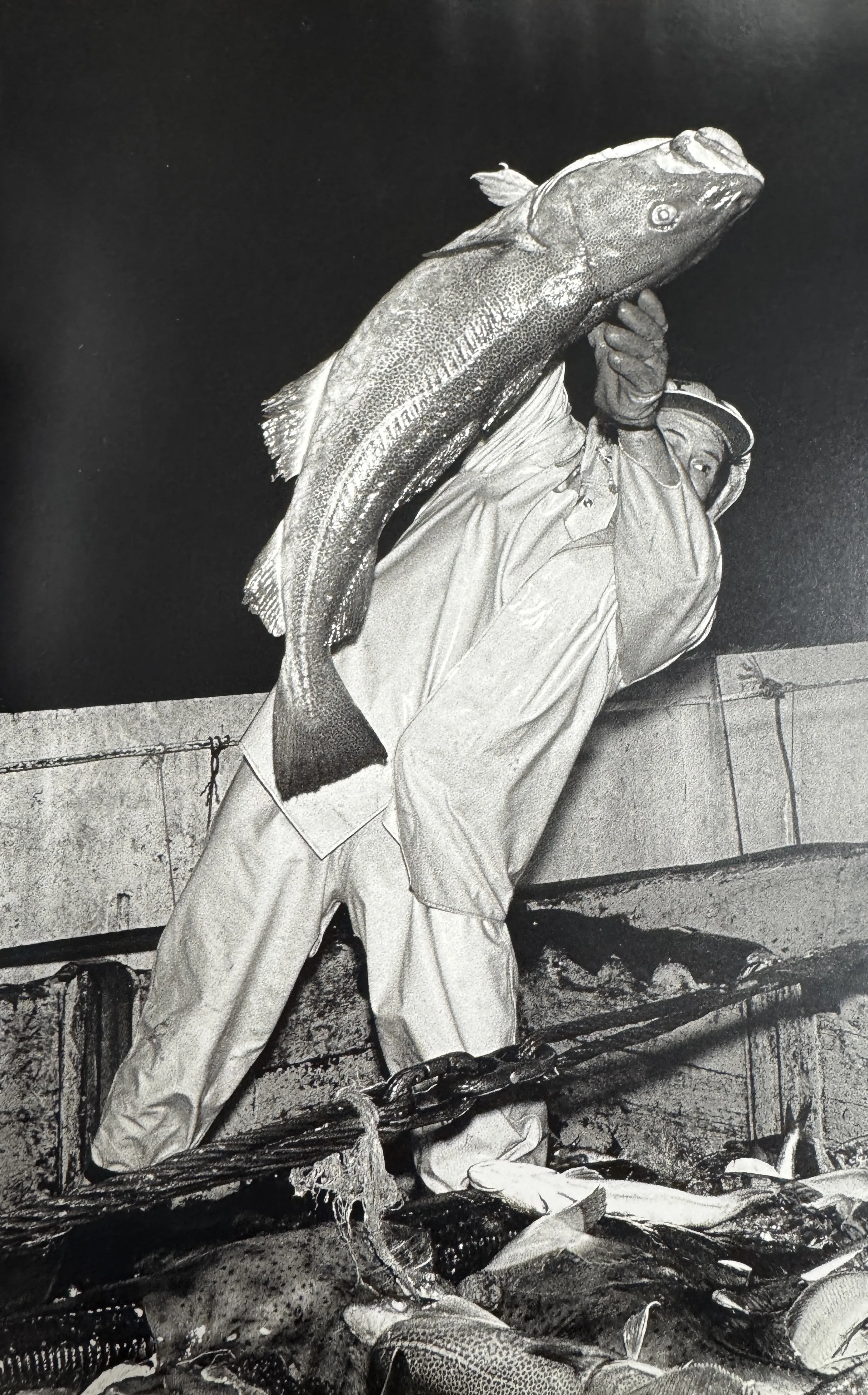
For estates and collections
Most estate decisions are not really about a single object. There may be a house to prepare, a family to coordinate, a probate timetable or a lifetime collection that cannot be sorted in one afternoon. The useful first step is separating the valuable, uncertain and ordinary material before the property begins to empty.
Cape Ann Auction has been buying, selling, appraising and running auctions across New England since 1979. That experience supports practical decisions across individual pieces, collections and larger estates. The team can explain which items are worth holding for auction review, where another sale path may make more sense and how the work fits the timetable you are managing.
For formal valuation, insurance questions or estate documentation, the Massachusetts appraisal service can help establish the next step. When the property needs broader auction planning, including cleanout and final payment, explore Massachusetts auction-house services.
Request an auction review →Frequently asked questions
Cape Ann art, paintings, maritime antiques, estate jewelry, watches, sterling, U.S. coin collections, historic documents, books, sports cards, comic books and related collections are all worth a closer review. The important question is whether the material has a buyer audience that benefits from careful presentation and competitive bidding.
No. A single collection, group of related items or select pieces from a larger estate may be a fit. Cape Ann Auction reviews the material, its context and the timing, then recommends auction, consignment, direct purchase or a combination that makes practical sense.
Send clear photographs of the overall group and close-ups of signatures, maker's marks, labels, hallmarks, inscriptions and condition. Include the location, known history, measurements where useful and any date that affects the decision.
Yes. Valuable or uncertain material can be separated for review before the rest of the property is handled. Depending on the estate, the larger plan may include auction, consignment, direct purchase, an on-site sale or cleanout work.
Cape Ann Auction is based in Gloucester and works with sellers, estates and collections throughout Massachusetts and New England. The first conversation starts with the material, its location and the timeline.
Start with a few photographs